
AI has been perceived as a patron saint of boosting productivity at work. Many tech roles have embraced it. But on the contrary, creative professionals are not half as welcoming of it. They worry it strips away personality and turns meaningful work into something mechanical.
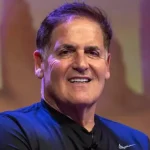
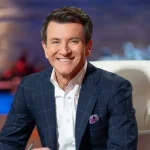
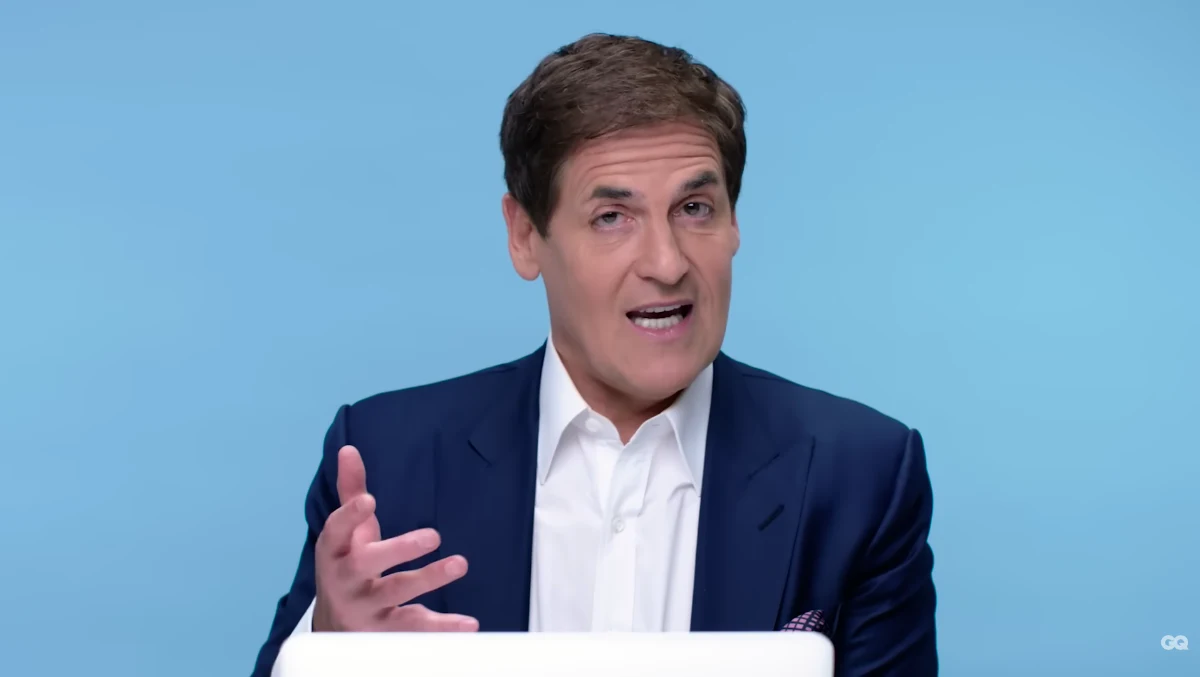
Mark Cuban disagrees with that fear. He sees AI as a support tool, not a creative replacement. In his view, it can handle repetitive tasks and give creatives more space to focus on ideas that actually matter.
Mark Cuban Explains How Creators Can Use AI To Boost Creativity
The Shark Tank investor took to X and tweeted that “Creators should LOVE AI. AI doesn’t make uncreative people creative. It allows creators to become exponentially more creative.”
Mark Cuban went on to add that “The different routes you wanted to take but didn’t have the money or skill to do. Now you can do. 99% of content fails. With AI, the cost and time it takes to experience and learn from those failures drop like a rock.”
He believes AI can dramatically cut down the time creative work takes. Tasks that once required long cycles of trial and revision can now move much faster. With the right tools, a concept can take shape in minutes instead of dragging on for days or even weeks.
A Widening Gap Between Business Logic and Art
Many creatives straight up abhorred Cuban’s point. They said he was speaking as a business executive. Critics argued that he lacks the vision and perspective of someone who thinks and works like an artist.
For the art community, his comments felt rooted in revenue and scale, not creative instinct. The exchange picked up momentum after news broke of a major deal between OpenAI and Disney.
The agreement allows hundreds of well-known characters from Disney, Pixar, Marvel, and Star Wars to be used inside the Sora video tool. All of this intensified concerns around ownership and creative control.
One person explained his critique, saying, “Mark, you’re assuming that creating art is like running a business. You’re not looking for efficiency. Sometimes the best work happens during the process. No one has to paint with oils, or etch metal or stone, or sculpt from marble to get an image or a statue. But we do.”
Another X user who works as a film concept artist and illustrator did not hold back. They asked why Cuban was telling artists how to think about AI when he has little direct involvement in the creative industry.
The user said, “If we’re telling you the opposite, maybe you should listen instead of just telling us we’re wrong. All you can see is dollar signs and ‘value’ instead of theft, exploitation, and job displacement.”
The Impact of AI on Artists, Musicians, and Creators
Some creatives are open to AI, but many view it as a serious threat to how they make a living. Animators and production artists fear their roles could disappear as AI improves. Musicians are apprehensive about a future where platforms are crowded with AI-made tracks pushed by labels and tech firms.
David Pakman is the managing partner and head of venture investments at CoinFund. He previously served as CEO of eMusic and helped found Apple Music Group.
Writing in Fortune, Pakman warned about the direction AI development is taking. He said there is “a risk that human creators will become mere feedstock for synthetic AI content spewed from large language models (LLMs),” especially when that work is used “without the explicit consent of the original artists on which the models were trained.”
A recent study from Queen Mary University of London in January 2025 found that more than two-thirds of people working in creative fields feel AI has weakened their job security.
Those concerns extend beyond artists themselves. Director of research for consumer internet and fintech at Ark Invest, Nicholas Grous, said AI is drawing a clear dividing line for the industry.
Grous said, “I think you’re going to have basically a split between pre-AI content and post-AI content,” he said, adding viewers will consider pre-AI content “true art, that was made with just human ingenuity and creativity, not this AI slop, for lack of a better word.”
The Future of Creativity in an AI-Driven World
AI is forcing the creative world to ask uncomfortable questions. Who owns the ideas? Who gets the credit? And who gets left behind.
Until those questions are answered clearly, resistance from artists is unlikely to fade.
The conversation has moved past curiosity and into confrontation. Creators are no longer asking what AI can do. They are asking what AI should be allowed to do.