

The United States’ enormous debt of $38 trillion has been making waves across the globe. It is working like a wake-up call for leaders and policymakers, further making it clear that the fiscal path of America is unsustainable.
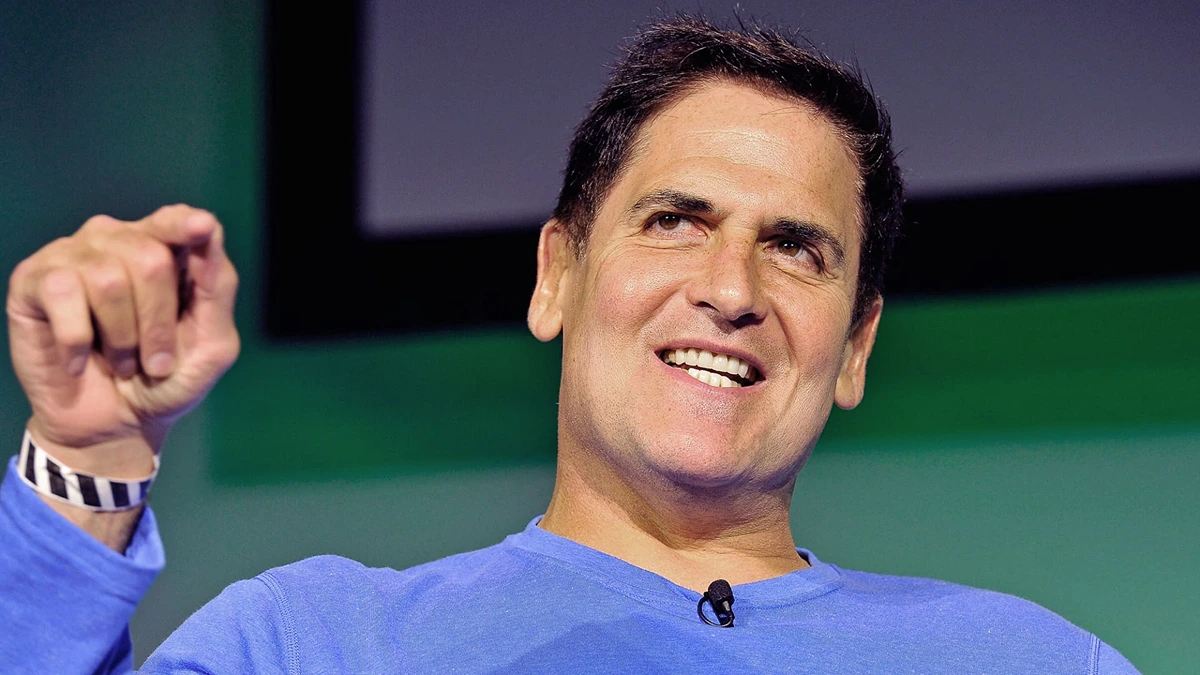
In the midst of debates around reducing taxes, changing spending priorities, and entitlement reforms, Mark Cuban gives a blunt message. The billionaire entrepreneur and investor said that national debt cannot be fixed until the American healthcare system is fixed.
In one of the recent posts on his X account, Mark Cuban talks about the most overlooked drivers of financial stress. Rather than discussing federal budgets or entitlement spending, he shared the enormous inefficiency, non-transparency, and waste placed in the American healthcare system.
In a series of posts on X in December 2025, Mark argued that over-billing and higher costs of treatment are fundamental economic inefficiencies. This broken healthcare system of the United States contributes to fiscal stress, rising insurance prices, and growing national debt.
Cuban presses the point that until the healthcare system is reformed, no budget cuts or changes in taxes can solve America’s financial crisis.
Let’s have a closer look at Mark Cuban’s warnings and the solutions he is proposing to the policymakers.
The National Debt and Healthcare’s Hidden Costs
Due to rising interest rates, taxation policies, and responses towards recession, America’s national debt has massively expanded over the years.
As per the fiscal oversight committee, annual interest payments on loans taken by the government alone are exceeding $1 trillion. Consequently, if the current policies and trends continue, this $1 trillion can increase to $14 trillion in the coming decade.
However, Mark’s stress is not about any single concern in healthcare; instead, it is about the foundational inefficiencies. Issues like opaque pricing that conceals the real cost of drugs, intermediaries that are extracting revenue, and inflating the cost of medicines are some of the structural problems cited by Mark.
The consequences of these structural issues spill over to out-of-pocket costs, insurance premiums, and ultimately affect the entire economy. In case of an increase in health costs, the government often provides subsidies through Medicaid or deductions in taxes, which further strains public finances.
Hence, Mark Cuban’s point of view is about a wider consensus among policymakers. It reflects that the cost of healthcare is one of the major engines of long-term fiscal stress on government budgets and families equally.
Mark Cuban’s Bold Idea: Revenue Through Accountability
The most impressive and blunt side of Mark that people have observed on his recent posts on X is that he did not shy away from controversy. He gave a provocative suggestion to fine healthcare providers and insurance companies every time they try to over-bill the patients.
His notion of setting the fine starting amount of $100 per infraction can accumulate huge revenue, making a dent in the national debt.
Cuban framed his statement by noting that levying fines of $100 on insurance providers each time they misrepresent the amount, the government could pay off enormous debt.
Though initially his suggestion might sound like an exaggeration, critics have pointed out that imposing fines on billing abuses can only amount to billions. Nevertheless, the underlying point is about exposing the hidden costs and holding the healthcare system accountable.
After founding Cost Plus Drugs (CPD), an online pharmaceutical platform, Cuban wants to pull apart the opaque pricing model. His vision is to completely eliminate middlemen like insurance giants and pharmacy benefit managers (PBMs). Through this, he will transform the healthcare market, making it more transparent and efficient.
His broader criticism is more about the fact that the healthcare market is not a free market, where customers can act rationally. In the absence of actual pricing signals, healthcare fails to compete as other markets do based on cost or quality.
Why Healthcare Reform Is Integral to Fixing the Debt?
Mark Cuban’s whole argument rests on one key point: if half of America’s economy remains inefficient and lacks transparency, there is no point in addressing national debt.
Subsequently, the U.S. healthcare market is nearly 20% of the national GDP, and it grows faster than inflation. But despite spending a high amount, America usually underperforms when compared to other wealthy nations.
Here’s why reform matters to the national debt:
Cost Shifting to Government Programs
Government programs, including Medicaid and Medicare, must support a larger portion of healthcare spending for lower-income American households. Certainly, with the increase in prices of drugs and hospitals, government expenditure also rises.
Due to programs like Medicare, patients are reimbursed on the basis of current market prices. Hence, in case they are paying artificially inflated prices because of the role of intermediaries’ distortion, fixing those could decrease potential liabilities.
Employer and Household Financial Stress
Higher costs of healthcare do not just affect government budgets; instead, they also affect economic growth. In this scenario, companies witness increased insurance premiums, halted hiring, and salary growth. On the other hand, families spend their income on out-of-pocket expenses, premiums, and high deductibles, further leaving less room for savings.
Conclusion
Though Mark’s recent comments on how healthcare reforms are tied to national debt may have grabbed people’s attention, the actual message is more crucial.
The United States healthcare system affects the country’s fiscal health and individual finances equally. However, he does not mean that transforming healthcare structure can alone pay off the national debt of $38 trillion, yet avoiding the cost drivers can worsen the situation.