
It’s getting harder to name a part of daily life that AI hasn’t touched. It helps write emails, recommend what to watch, and guide how people learn new things. The rollout has been swift, and the financial upside for companies has followed just as quickly.
Yet the conversation is starting to shift. Leaders closest to the technology are pressing for more care in how it’s used. Their view is not anti-AI; it is practical. The tools may be powerful, but the choices around them still belong to people.
As AI spreads, they say protecting real human connections matters more than ever.
Mark Cuban and Sam Altman Urge Gen Z To Disconnect From Tech
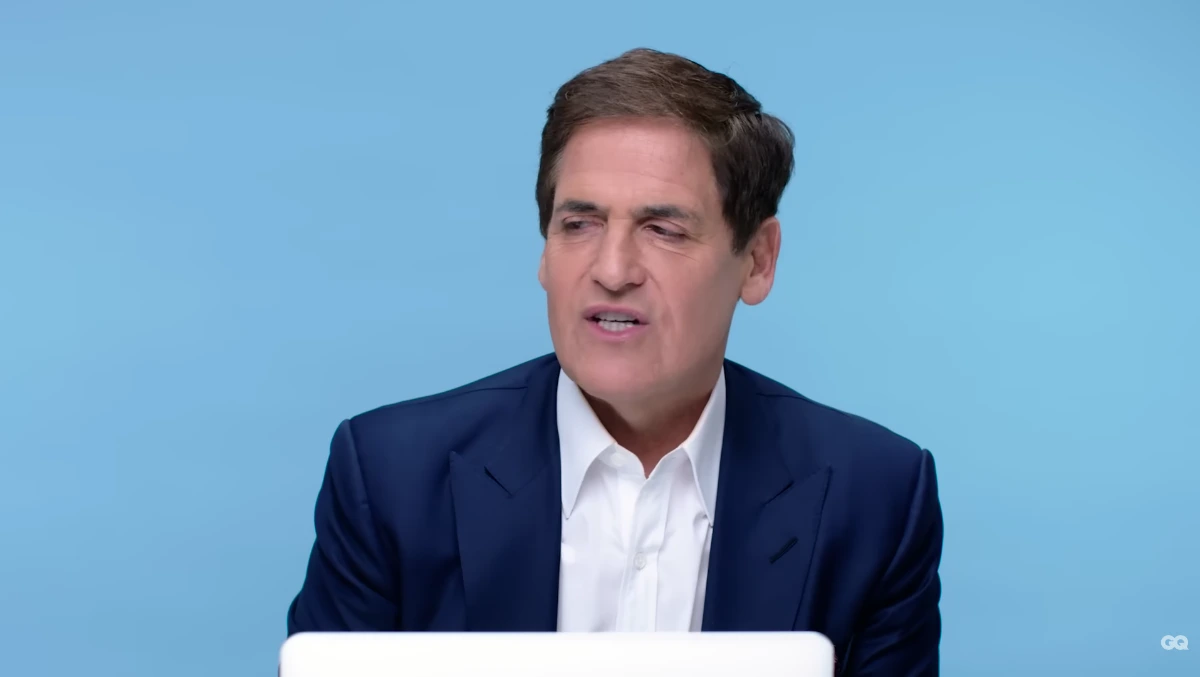
The former Shark Tank investor said it’s time for people to stop staying glued to their screens. He urges the masses to get out into the world and enjoy themselves.
Coming from a longtime tech advocate, the comment might seem unforeseen and a tad bit hypocritical. But, on the contrary to popular belief, Cuban has always pushed the idea that work loses its meaning if it crowds out life beyond the screen.
Human Judgment Still Matters More Than Prompts
Mark Cuban expanded on the idea in a January 2026 interview with Inc. He said that as AI becomes more common, effort and judgment matter far more than the prompts people type into a tool.
Similar outlooks show up at the very top of corporate America. General Motors CEO Mary Barra still keeps a hands-on approach to communication. She writes her own responses instead of outsourcing them to software.
In the New York Times DealBook Summit in December 2025, Barra said, “I get [letters] from customers … when their odometer turns over to 200, 300, 400. I also get letters from consumers who are unhappy about something, and I respond to every single letter I receive. To me, this is such a special business.”
Sam Altman’s Approach to Balance
Even with a front-row seat to the AI surge, Sam Altman makes room to disconnect. On many weekends, the OpenAI CEO escapes to his ranch in Napa with his husband and son. They replace screens with long hikes and spend time in places where cell signals don’t reach.
Sam explained the feeling by adding, “I end up living in a weirdly isolated world. I fight that every inch … I think the more you let the world build a bubble around you, the more insane you go.”
As technology keeps advancing, the edge is moving back to people. Skills rooted in judgment, communication, and creativity are becoming harder to replace. Business leaders see it clearly.
A 2024 LinkedIn survey found that nine out of ten executives believe these human strengths play a central role in long-term career growth, especially for Gen Z.
Plus, AI-driven content amplifies the ill-effects of social media.
Tech Leaders Reassess the Impact of Social Media
More than a decade ago, social media surged, and leaders praised how connected everyone suddenly felt. It took time before the downsides became clear, from shrinking attention spans to real concerns around mental health and control.
Snapchat boss Evan Spiegel has said the real question is not how much time people spend on screens, but what they actually do with it. He shared that view in an interview with the Financial Times.
Spiegel commented, “I think the more interesting conversation to have is really around the quality of that screen time.”
That same focus shows up in how Steve Chen talks about screens. As a cofounder and former CTO of YouTube, he helped shape the platform well before its 2006 sale to Google. Chen has since stressed that what matters is not the sheer amount of time spent online, but whether that time is actually worthwhile.
Chen said, “I think TikTok is entertainment, but it’s purely entertainment. It’s just for that moment. Just shorter-form content equates to shorter attention spans.” More tech leaders have started speaking openly about the influence algorithms have on how people think, act, and spend their time.
Jack Dorsey Warns About Algorithm-Driven Influence
Twitter cofounder Jack Dorsey said in 2024 that “We are being programmed based on what we say we’re interested in, and we’re told through these discovery mechanisms what is interesting—and as we engage and interact with this content, the algorithm continues to build more and more of this bias.”
Jack Ma and Jensen Huang on Work Intensity and the 996 Work Culture Debate
There are prominent voices in tech who see it differently. Jack Ma, the founder of Alibaba, has long argued in favor of an intense work culture. The 996 schedule pushes long days nearly every day of the week, and its mindset has spread well outside China’s borders.
Ma argued in a 2019 blog post that the hours matter less if the work feels meaningful. He said that when people enjoy what they do, long days are manageable. When they do not, even short ones feel unbearable.
Nonetheless, the 996 approach has rightfully drawn a lot of criticism for being exploitative, among other things.
For Jensen Huang, staying plugged in comes with the territory. The head of Nvidia works every day of the year, fields thousands of emails, and keeps his mind on the company’s future even during ordinary moments like doing chores or watching a movie.
That constant pressure is something he says never really fades. Speaking last year on The Joe Rogan Experience in 2025, Huang said he has operated for decades as if the company were always on the brink. He explained that the worry and uncertainty stay with him no matter how long the company succeeds.
Mark Cuban and the Case for Stepping Away From Screens
As AI keeps creeping into everyday routines, more leaders are starting to question the idea that progress means constant engagement. The push now is toward balance. Technology can be useful without taking over every waking moment. Clear boundaries help keep tools in their place, before they start shaping behavior in ways no one intended.
That thinking shows up clearly among Gen Z. Many are leaning into offline habits as a counterweight to nonstop screens, from vinyl records and board games to handwritten notes and hands-on skills.
It brings the conversation back to Mark Cuban. His blunt advice to get out and enjoy life feels less like a sound bite and more like lived experience. In a hyper-digital world, choosing when to unplug may be the real power move.