Shark Tank Season 17 Episode 15
Shark Tank Season 17 Episode 15 featured an education platform, a smart hanging tool, a car camping system, and screen-free learning blocks. See who made deals and who walked away.

Back-to-back episodes continued with Shark Tank, and Season 17, Episode 15 brought another mix of ideas and real stories. The Sharks started off curious but quickly moved into serious questions about pricing, scalability, and long-term growth.
Some founders came in with strong missions. Others focused on solving simple, everyday problems. But in the Tank, every idea had to show it could turn into a real business.
Shark Tank Season 17 Episode 15 – The Shark Investors and Entrepreneurs
Season 17, Episode 15 focused on founders solving everyday problems in practical ways. From education to home tools to outdoor living, each business had a clear purpose.
The Sharks in this episode were Kevin O’Leary, Lori Greiner, Barbara Corcoran, Daymond John, and Rashaun Williams.
As the pitches went on, the Sharks kept coming back to the same questions, can this scale, does the pricing work, and is the business strong enough to grow long-term?
1. R1SE
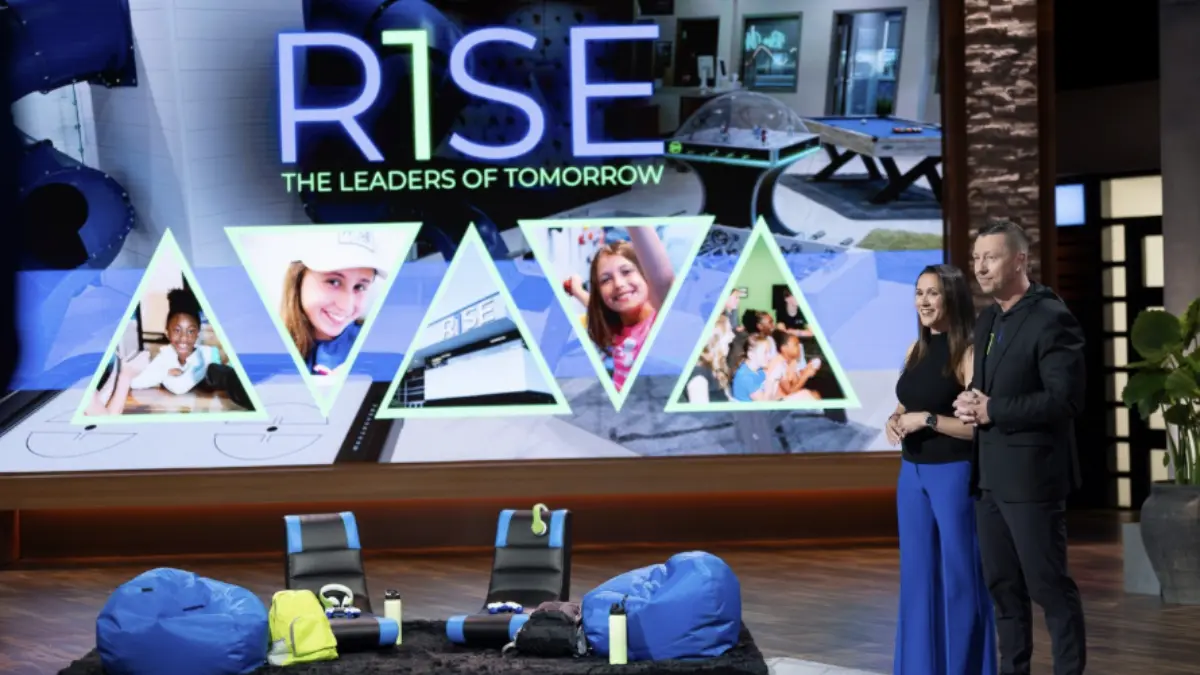
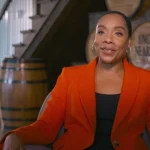
R1SE is a place where kids can go after school to learn and have fun. They do their homework and study for tests with some help from mentors. After that, they get to relax and play with their friends in activity rooms.
The goal of R1SE is to help kids do well in school and give their parents an affordable place to send them. RISE is a solution for parents who want their kids to stay on track with their schoolwork.
Shark Tank Pitch
They entered the Tank seeking $300,000 for 10% equity.
The Sharks liked the concept right away. The combination of education and reward-based recreation felt both practical and impactful.
The business had two locations, each generating around $500,000–$600,000 annually with a 21% profit margin. But concerns quickly followed.
Kevin O’Leary was the first to raise a major issue. He believed the pricing, around $15 per hour, was too low for a business with such high operational costs. In his view, the model would struggle to scale unless prices increased.
Rashaun Williams connected deeply with the mission but stepped out because the business would require rapid expansion to hundreds of locations to generate venture-level returns.
Lori Greiner thought the impact was great. She felt the founders needed someone who knew real estate.
Daymond John decided to walk, he said the business was not something he wanted to invest in.
The room grew quiet, then Barbara Corcoran spoke up. She really believed in the founders and offered them $300,000 for 15% of the business. Barbara Corcoran said she would help them figure out how to grow the business and establish the right structure.
| Aspect | Details |
| Entrepreneurs | Trevor & Heather Szafranski |
| Featured Product | After-school education & recreation centers |
| Deal Status | Deal Secured |
| Sharks Who Invested | Barbara Corcoran |
2. Hang Hero
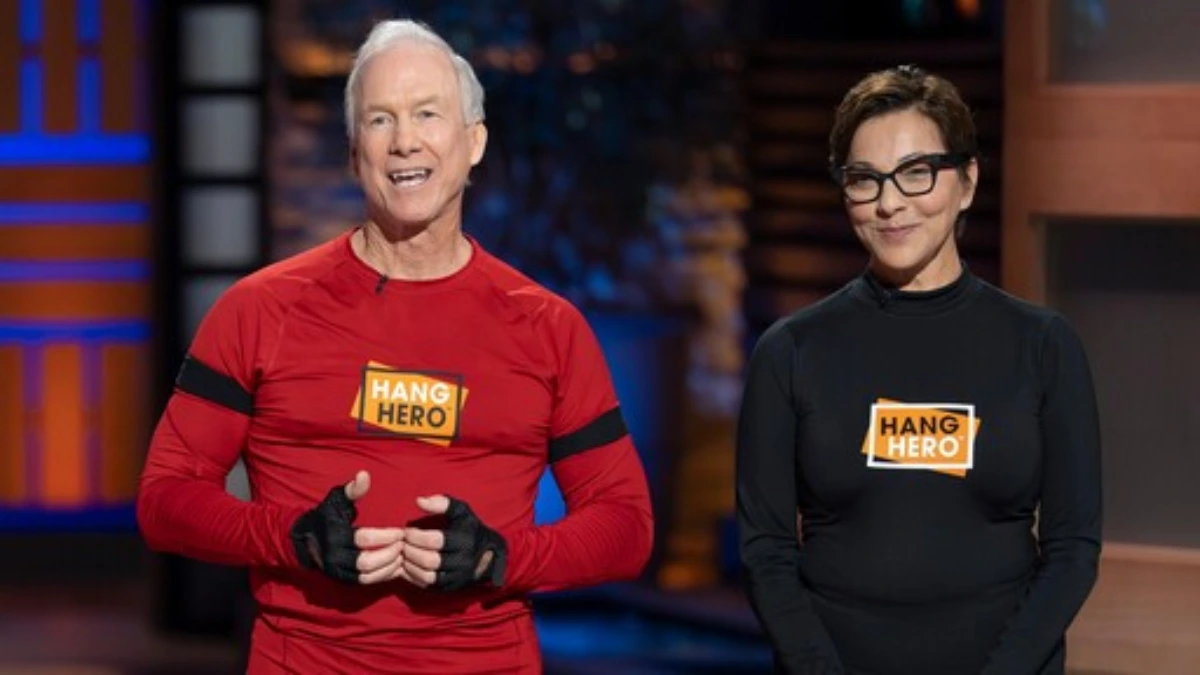
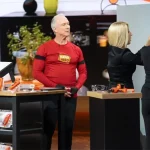
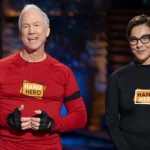
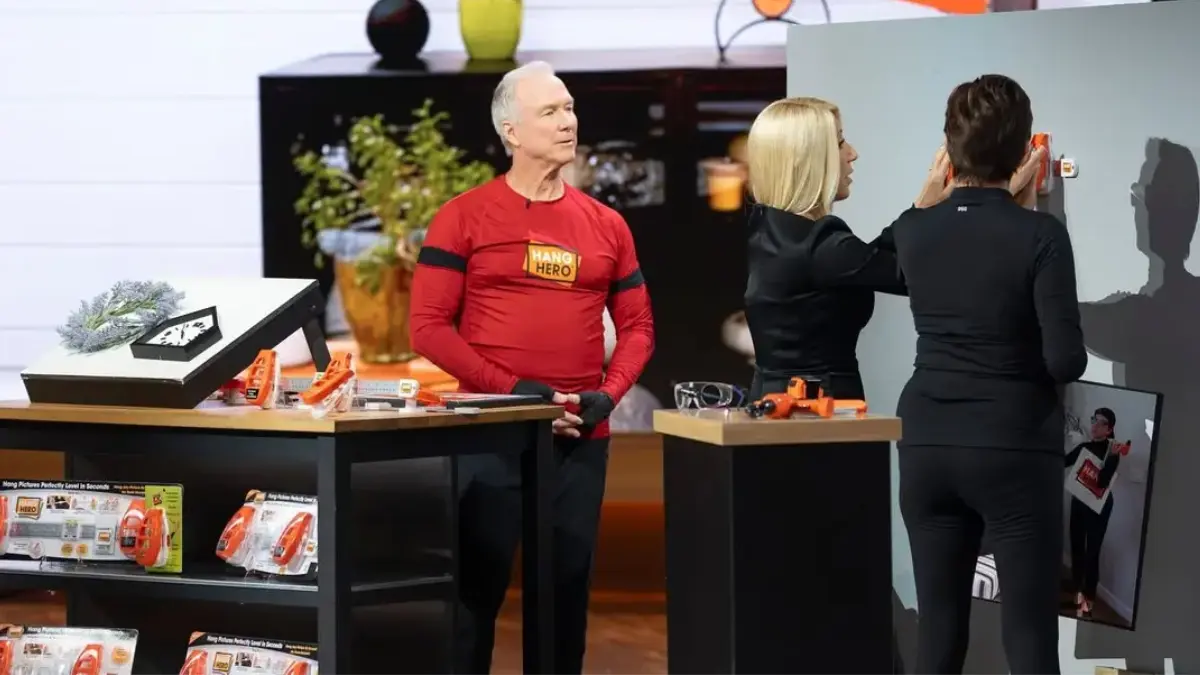
The Hang Hero is a cool tool that helps you hang pictures. It marks the spot, makes sure it is level, and puts the nail in. This means you do not need many tools to hang something. The Hang Hero makes it easy for anyone to hang things quickly and get them right.
Shark Tank Pitch
They wanted $150,000 for 10% of the Hang Hero.
The Hang Hero had already made over $800,000 in sales. It is very profitable. However, recent revenue had dropped significantly due to licensing changes. This became the main concern.
Kevin O’Leary stepped out first, pointing to the sharp decline in sales and lack of consistent growth. He preferred businesses with stable upward momentum.
Barbara Corcoran followed, saying the product category did not interest her as an investment.
Rashaun Williams also dropped out, noting that it had become more of a turnaround situation, which did not fit his strategy.
Lori Greiner liked the product and presentation but believed the founders could succeed on their own through home shopping networks like QVC, without needing her investment.
Daymond John saw potential where others didn’t. He believed the product could be repositioned and scaled with the right guidance.
He offered $150,000 for 25% equity. The founders tried to negotiate but ultimately accepted.
| Aspect | Details |
| Entrepreneurs | Michael & Ana Van Horst |
| Featured Product | Picture-hanging tool |
| Deal Status | Deal Secured |
| Sharks Who Invested | Daymond John |
3. Hele Outdoors

Hele Outdoors made a kit that helps people camp in their cars. This kit turns SUVs, trucks, and vans into places to sleep. The kit has a bed that can be raised and lowered and a mattress that inflates with air. This means people can camp comfortably without having to set up a tent.
Shark Tank Pitch
Murray wanted $75,000 in exchange for a 5% stake in Hele Outdoors.
Hele Outdoors is doing well with its product. It thinks it will make around $1 million soon. The Sharks liked the trend behind it but questioned the valuation.
Rashaun Williams stepped out first, saying the business was still too early for outside investment.
Lori Greiner followed, explaining that the product did not fit her typical investment categories.
Kevin O’Leary added a more personal take, saying he simply did not connect with the idea of car camping as a market.
Despite the dropouts, Barbara Corcoran saw potential. She understood the space and believed in the founder.
Daymond John also made an offer, emphasizing the value of his involvement in scaling the business.
After negotiations, Barbara adjusted her offer, and Murray countered. They agreed on $75,000 for 12.5% equity.
| Aspect | Details |
| Entrepreneur | Murray White |
| Featured Product | Car camping platform system |
| Deal Status | Deal Secured |
| Sharks Who Invested | Barbara Corcoran |
4. Everything Blocks
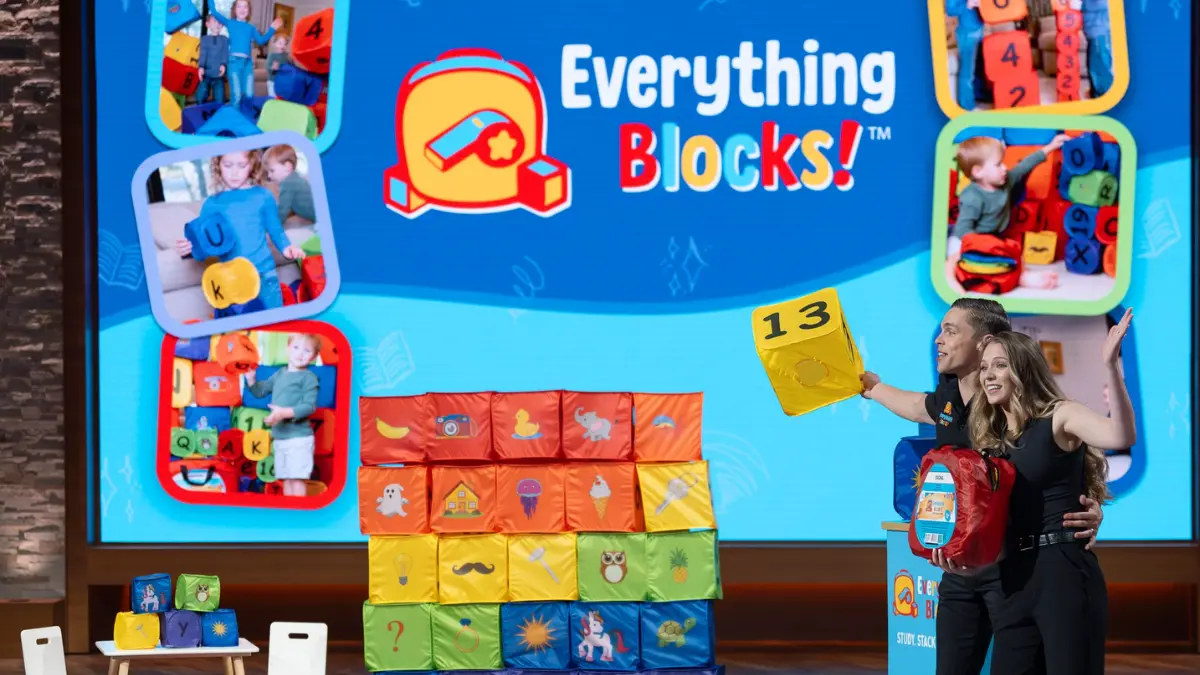
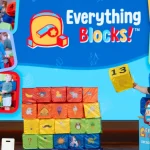
Everything Blocks are blocks that you can fold up and take with you. They help kids learn about letters, numbers, and how words sound.
The best thing is that they are lightweight and easy to carry around. This makes them a great way for kids to learn and have fun at the same time.
Shark Tank Pitch
The founders wanted $100,000 from the Sharks. They would give the Sharks 10% of their company if they got the money.
They had already sold over $350,000 worth of blocks. But they had a problem. They often did not have blocks to sell to people who wanted them.
The Sharks thought it was an idea. They also saw some potential problems.
Kevin O’Leary said he did not want to invest because they did not fit with the companies he was working with.
Lori Greiner thought the blocks might be too expensive and that others could make similar blocks and sell them for less. So she decided not to invest.
Daymond John agreed with Lori Greiner. He said that they did not have any patents. He thought many other companies might try to make the same blocks.
Barbara Corcoran said the company needed time to grow before she would consider investing in it.
Rashaun Williams was the last to decide. While he personally liked the product, he ultimately stepped out, calling it a “motorcycle, not a rocket,” meaning it may grow steadily but not scale rapidly enough for venture returns.
The founders left without a deal but with strong encouragement from the Sharks.
| Aspect | Details |
| Entrepreneurs | Tim & Kaity |
| Featured Product | Educational collapsible blocks |
| Deal Status | No Deal |
| Sharks Who Invested | — |
Special Segment
The episode also included an update on Remento, a company that first appeared on Shark Tank Season 16 with a personal, emotional pitch.
Remento was founded by Charlie Greene. It entered the Tank seeking $300,000 for 5%. After a lot of interest from the Sharks, Charlie Greene secured a deal with Mark Cuban for $300,000 in exchange for 10% of Remento. This brought in Mark Cuban as a partner with extensive experience scaling tech-driven businesses.
At the time of the pitch, Remento had made around $620,000 in sales. After the deal with Mark Cuban, Remento grew fast. In less than a year, Remento made more than $7 million in revenue.
Remento did a lot of things to make this growth happen. Remento kept making its speech-to-story technology, making it easier for families to save memories. It used guided prompts and generated stories to help people save memories. The company also kept a balance between its website and its printed books.
With the help of Mark Cuban, Remento focused on growing and reaching people, especially through the internet and social media.
The update showed how a good idea, when paired with the investor and plan, can turn into a business that grows fast and makes a big impact. Remento is an example of this.
Big Missions and Tough Decisions Defined Shark Tank Season 17 Episode 15
Shark Tank Season 17 Episode 15 showed how hard it is for companies to do things and also make money. The founders had ideas that could really help people, but the Sharks only cared about how much money they could make and whether the venture would be profitable over the long term.
Some of these companies got deals with the Sharks that will help them grow faster. Other companies did not get deals. They got to be on television and learned some valuable things.
In the Tank, even the best ideas need the right structure to succeed.
Curious about more pitches and deals? Explore other episodes from Shark Tank Season 17 to see how different founders navigated the Tank, or revisit Shark Tank Season 17 Episode 14 for more insights.