
The Christmas Carolers appeared on Shark Tank Season 17 Episode 7, bringing holiday season energy to the Tank as they pitched a full-fledged holiday experience.
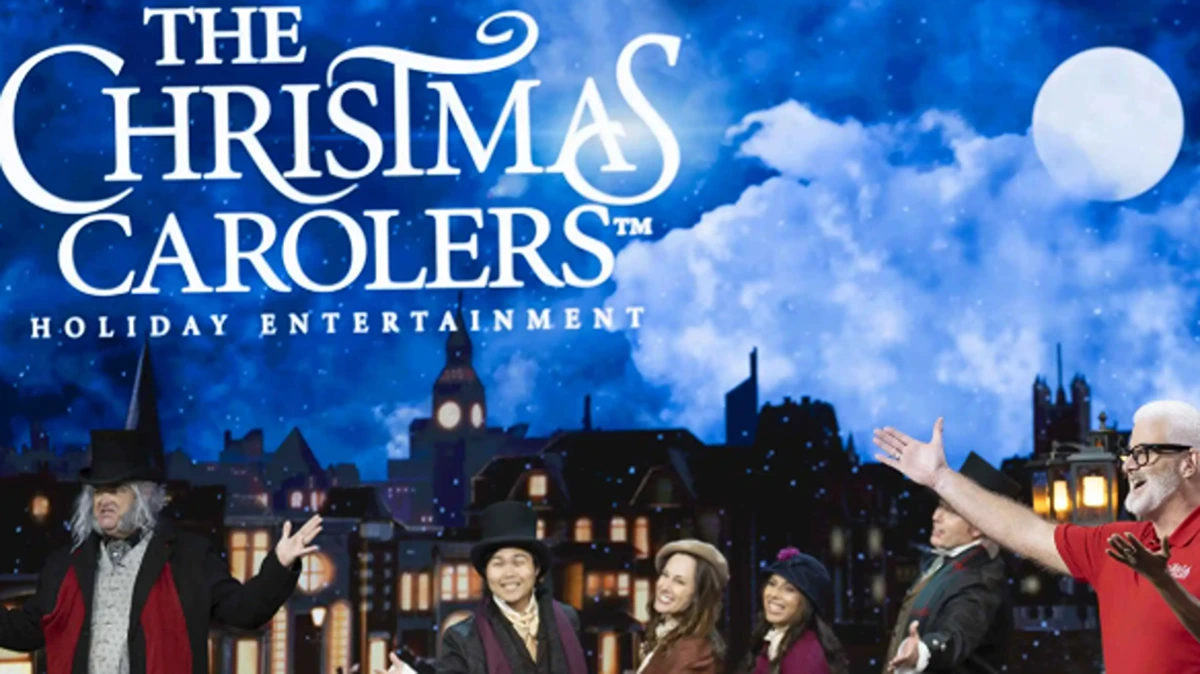
Their presentation was one of the most remarkable ones in the history of Shark Tank, as the musicians were dressed up in Victorian-style costumes. Meanwhile, the founder, Kenyon Ross, instantly brought the spirit of Christmas by performances of rich a capella.
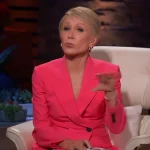
An idea that he envisioned in the year 1996, and still pursuing it without fail, Kenyon’s pitch was emotional. However, what truly shocked viewers was Barbara Corcoran’s offer to buy out the entire company by taking a 100% stake.
Significantly, this raised a major question: why did Barbara propose buying out the brand, and why did the founder agree?
Hence, to fully understand this deal, we must examine Barbara’s investment philosophy, the business model, and the risks involved.
Barbara Corcoran’s Investing Style: Experience Over Products
Barbara Corcoran, the real estate mogul, is known for her stature as an investor who bets on passion more than economics on the television show Shark Tank.
She constantly gravitates towards startups with an emotional appeal. Moreover, she believes that customers are looking to buy an experience, rather than just a product or service.
Basically, throughout her experience on the Tank, Barbara has reflected her repeated preferences for;
- Emotion-driven businesses that tap into aspiration, comfort, and nostalgia
- Brands that are service-based, and in which presentation, along with a strong human connection, matter.
- Companies that build lifestyle products, in which consumers can attach their special moments.
- Along with storytelling brands that showcase traditions and a unique identity.
Barbara Corcoran often says the greatest businesses are those that drive word-of-mouth marketing through emotional connections. Moreover, customers talk about them, their premium pricing, and their long-term loyalty, which competitors cannot copy.
Consequently, The Christmas Carolers perfectly fit her picture of a unique service-based brand. Their Victorian-styled costumes for vocalists, a capella harmonies, and old charm instantly evoke traditional nostalgia.
Rather than selling music performances, they were selling a feeling of stepping into a classic holiday vibe. This emotional pull drew her attention.
The Reality Check: Why Was This Business Risky?
Besides the fact that Barbara initially asked for an entire 100% stake in the brand in exchange for $125,000, she was aware of the risks involved.
In fact, when the founder, Kenyon Ross, asked for equity in his brand, she decided to go for a 60% majority stake, giving away 40% of the equity.
Being one of the most successful Sharks on the Tank, she knew that behind this holiday experience’s magic was a brand that required consistent execution. Hence, she does evaluate some of the major risk factors before making a decision.
Extreme Seasonality
- The business was seasonal, with most activity in November and December. Thus, the majority of the earnings are generated in this narrow holiday window.
- Due to unforeseen circumstances during the holiday season, such as weather conditions and economic downturns, the business can be severely impacted.
- Cash flow can become increasingly limited outside the holiday season, putting more financial pressure.
Certainly, seasonal businesses involve a higher risk as they do not have enough opportunities to scale.
Labor-Intensive Business Model
- Their business model involved hiring singers or musicians from top-notch music schools. So, every performance relied on trained vocalists.
- Moreover, the quality of a capella performance of classical music, presentation, and professionalism impacted their brand’s reputation.
- Thus, replacing the musicians and scaling was not so easy.
Contrary to product-based companies, which can scale through manufacturing, service-based businesses rise and fall with their people.
Operational Complexity
- The brand was spread across 14 cities, as the founder mentioned, and they planned to scale it further to 50 cities.
- Hence, it was complex to coordinate rehearsals, dates, and locations, and to manage performers’ travel.
- Also, maintaining consistency across these markets, which are in different locations, is challenging.
Additionally, any change or breakdown in plans or logistics could break customer trust, especially at corporate parties and premium events.
Limited Scalability Without Leadership
- If the founder tries to expand too quickly, it can compromise quality, further harming the brand’s image.
- As a result, strong leadership with a full-time team is required to consistently deliver high-quality performance during scaling.
Barbara has mentioned many times on the Tank that she does not want a job; instead, she wants a business. Undoubtedly, she saw that the business was becoming a job-heavy operation rather than scaling. This was one of the factors that influenced her decision to buy out.
Why Barbara Wanted Control, Not Just Equity?
Barbara did not ask for majority control in the business because she did not have faith in the founder. Contrarily, she saw a strong potential for growth and scale, but that would require full-time involvement, along with a passionate team.
This was not just a passive investment for the millionaire real-estate investor and entrepreneur. She anticipated the need to reposition the brand and refine it as a luxury holiday experience for private parties, corporate events, and holiday season bliss.
Also, she wanted to implement new pricing models that are especially based on premium dates and high demand as per the season. Moreover, she understood the necessity to tighten the operations across different cities to ensure premium experiences for the customers.
Barbara wanted to explore brand extensions such as licensing opportunities, different corporate packages, and elite events.
Taking majority ownership of the brand means that she is the one steering the wheel now. This further ensured that her expertise, time, and stature were shaping the future of The Christmas Carolers, instead of just giving suggestions.