

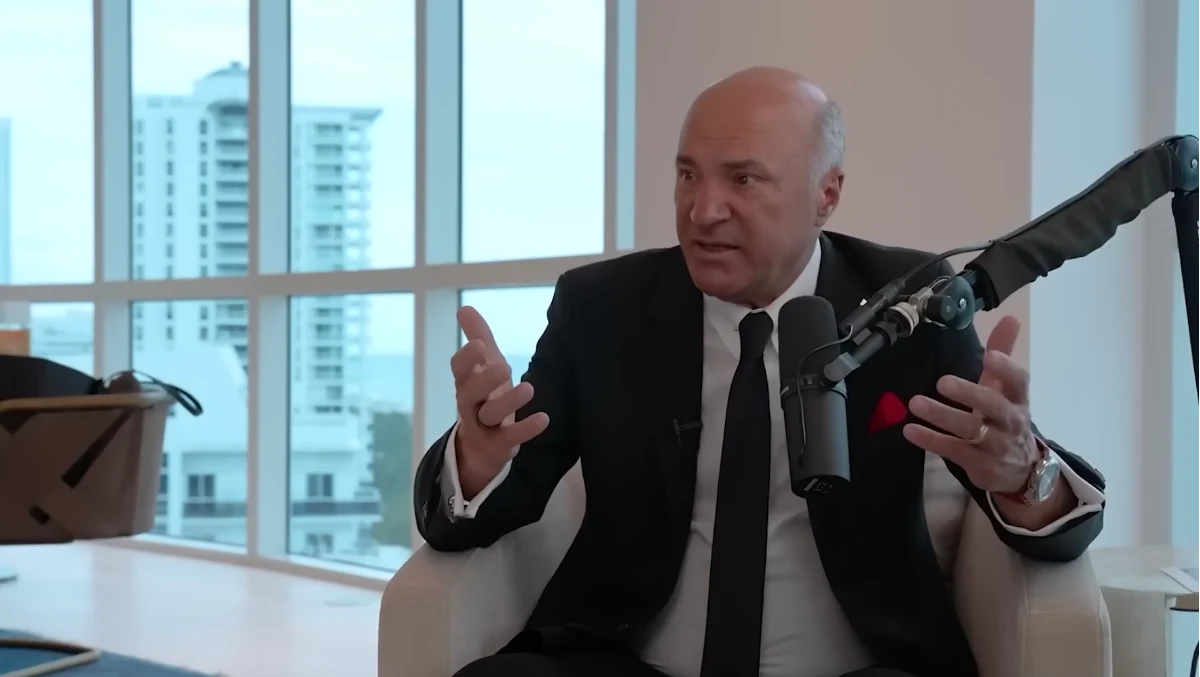
For any Shark Tank enthusiast, the Kevin O’Leary style is a known thing. He’s blunt, has no patience for excuses, and doesn’t bother cushioning his opinions. That same attitude carries over when he talks about retirement and money.
The Shark Tank investor has been unusually vocal about how Americans are managing their 401(k)s. In interview after interview, he’s returned to the same concern, saying many people are making a costly misstep without realizing the long-term damage.
Kevin O’Leary on the Biggest 401(k) Mistake Americans Make
Kevin O’Leary says the biggest issue with 401(k)s isn’t complicated. People just aren’t setting aside enough money. And he doesn’t blame the market for that.
He points the finger at everyday spending. In his view, a lot of Americans, especially those earning modest incomes, spend without much thought. Money leaks out in small ways that feel harmless in the moment but add up over time.
In a conversation with TheStreet, he explained that this is why 401(k) balances stay so low. When spending runs on autopilot, there’s nothing left to invest. And without steady contributions, retirement plans never get a real chance to grow.
Mr. Wonderful’s Advice on Clearing Financial Roadblocks
Kevin O’Leary says saving more isn’t about discipline alone. It’s about removing what’s quietly draining your money.
He often points to high-interest debt as the real blocker. Credit cards and similar balances soak up cash every month, leaving little room for long-term saving. As long as that debt hangs around, retirement contributions stay squeezed.
His fix is blunt and practical (just like his persona). Get rid of the expensive debt as fast as possible. Once those payments disappear, money starts showing up where it didn’t before. That breathing room, he says, is what makes consistent 401(k) saving doable.
Why Retirement Costs More Than Most People Expect
Retirement can feel far off, which makes it easy to underestimate how much it actually costs. Many people assume expenses drop once the mortgage is gone and debt is behind them. That’s not always how it plays out.
Health care alone can take a serious bite. A recent estimate from Fidelity Investments puts the expected medical costs for a 65-year-old-retiree at well over $170,000 across retirement. And that’s before factoring in everyday living.
Add rising prices for basics like food, utilities, and services, and the math shifts quickly. The takeaway is simple. Planning for retirement means planning for higher costs than you expect. Having an extra cushion isn’t being cautious anymore. It’s being realistic.
Social Security Alone Cannot Cover Retirement
Beginning in 2027, the full retirement age for Social Security will climb to 67. Current projections show that if nothing changes in Washington, future payouts could be reduced after the early 2030s. Benefits would still arrive, just at a lower level than many retirees expect.
Kevin O’Leary has been clear on this point. Social Security was never designed to carry retirement on its own. It’s a base layer, not the whole plan. To live comfortably, most people will need income from their own savings as well. Relying on one check, he says, is where trouble starts.
The Kevin O’Leary Rule for Long-Term Wealth
Kevin O’Leary tends to land on the same point every time this topic comes up. None of it works without discipline.
He’s not talking about extreme budgeting or complicated strategies. He means sticking to the basics. Contribute regularly. Take the free money from an employer match. Don’t let everyday spending quietly crowd out saving.
In his view, consistency is what actually builds wealth. Not luck. Not timing. Just showing up and doing the right things, month after month, until it adds up.
Preparing for Life After a Paycheck
Kevin O’Leary has a practical suggestion for people getting close to retirement and feeling unsure. Start acting like you’re already there.
He’s advised using the final years of your career as a trial run. Spend less on purpose. Track where your money actually goes. Build habits that match a fixed income, not a paycheck.
The shift can be jarring if you wait until the day you stop working. O’Leary’s view is that easing into it makes all the difference. Save aggressively while you still can, tighten spending early, and retirement feels far less intimidating when it finally arrives.
The Tough Truth Behind Kevin O’Leary’s Retirement Warnings
Kevin O’Leary isn’t known for a soft delivery, and he doesn’t seem interested in changing that. With markets wobbling and the economy feeling less predictable, his blunt take is hitting closer to home for a lot of people.
That edge is exactly why he keeps getting airtime. O’Leary gives answers that stick. He pushes people to examine their spending without excuses and asks uncomfortable questions about whether their habits align with the retirement they want.
His message hasn’t changed. Without discipline, savings don’t grow. And when savings fall short, retirement becomes stressful fast. In his view, facing that reality now, even if it stings a little, beats ignoring it until it’s too late.