
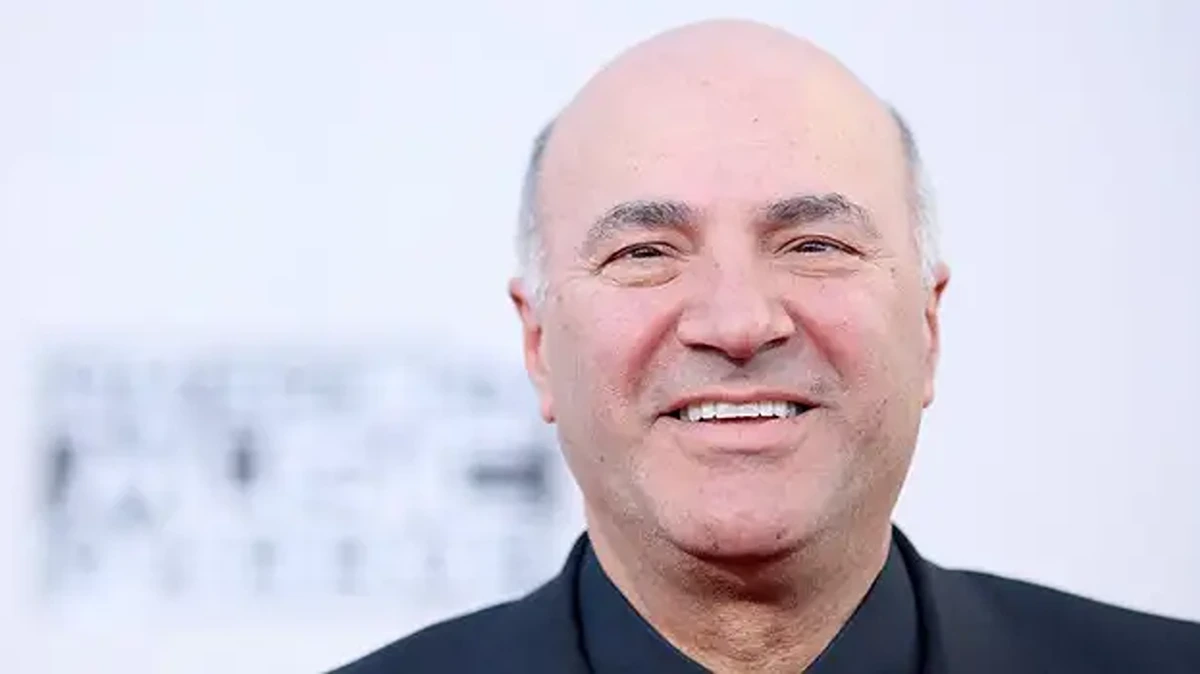
Recently, in December 2025, Shark Tank personality and entrepreneur, Kevin O’Leary, gave a significant warning in the context of a new economic proposal, which is gaining momentum. A political proposal of giving $2000 tariff dividend checks to every American from the tariff revenues. This proposal has been floated as Trump’s economic plan.
Nevertheless, the outspoken investor, Kevin, directly mentioned the idea as terrible, further arguing that it can do harm to ordinary people, due to the prices of commodities, which might rise and can increase the inflation levels.
This ongoing debate about the proposal raises questions about inflation, how to support households struggling, and economic policy. Hence, to understand Kevin O’Leary’s position and his take on this, we must review the proposal and grasp what the other economists say.
What Are the Proposed $2,000 Tariff Checks?
The newly floated proposal, which is referred to as the tariff dividend, would involve offering checks worth $2000 to almost every American. This idea is funded by the revenue generated from imported goods by the federal government. The idea is a part of Donald Trump’s ‘Invest America Act’ initiative, which is developed to benefit Americans, including ‘Trump Accounts.’
The proponents and supporters of the tariff dividend view this proposal as a way to redistribute the revenue to families, further offering them extra income. Of course, there would be income caps, and the amount would depend on congressional approval. Though Scott Bessent, the Treasury Secretary, has mentioned that the working households would be amongst those eligible.
Moreover, anyone who is struggling with rising prices of goods and essential commodities right now, the mere idea of a free check sounds appealing. But this broad appeal is the reason why Kevin finds this proposal problematic.
O’Leary’s Central Concern: Inflation
Mr. Wonderful’s major objection to the policy of tariff dividend is because it could inflate the prices of even essential goods. Moreover, it can increase the inflation as much as 9%, which is very similar to the post-pandemic stimulus period. In one of his videos on the platform X, Kevin used a term that meant directly infusing the cash into the market. The term ‘helicopter money’ simply means that this amount is not linked with any economic productivity.
Kevin O’Leary shared a scenario, during the COVID-19 pandemic, when the federal government infused billions of dollars in the economy. As a result, inflation increased drastically, and even the prices of everyday goods, including groceries, household commodities, and protein, increased. However, since then, the inflation rate has decreased, but it still remains a stress on ordinary people across the nation.
Furthermore, he shared that, instead of fixing the underlying issues of economic growth and price stability, this plan would add more money. Also, he mentioned that due to the infusion, demand will increase with no similar effect on supply.
Why O’Leary Thinks Families Won’t Benefit?
From the perspective of Kevin, the $2000 checks would just act like a temporary sugar rush for family budgets. Moreover, it could be overshadowed by long-term pain. Let’s have a closer look at how he breaks it down.
1. Higher Prices Undermine Purchasing Power
If the prices of commodities inflate as a result of the injection of cash into the economy, the $2000 would have no effect on the income. This further means that while households might feel relaxed, the cost of essentials can rise faster than household incomes. Consequently, it leaves people with no option.
2. Tariffs Act Like Hidden Taxes
Undoubtedly, Kevin O’Leary and many other economists say that tariffs are ultimately designed to increase the prices of imported goods. Further, tariffs are imposed on goods that are not produced domestically in the United States, including fruits and spices.
These costs are passed on to consumers when they are purchasing commodities at the checkout counter. Also, imposing taxes on products that are not produced at home simply does not grow the domestic industry. Instead, it makes buyers pay more.
Therefore, even if this amount of checks is marketed as free money, this money is funded by import tariffs. That ultimately makes goods more expensive. Hence, this acts like a hidden tax, which can hurt households instead of helping them.
3. Short-Term Relief vs. Long-Term Stability
He also argues that throwing extra cash across the nation can provide short-term relief. Though it does not address the problem of structural fiscal issues. Rather, he is of the opinion that tariff revenue must be used to pay the debt levied on the country.
It could help lower the mortgage rates, ensure long-term stability and economic growth, and stabilize the bond market. These benefits will help enhance the living standards of the people in the long run much more than any one-time payment.
Conclusion: Broader Economic Context
Kevin’s take on the tariff dividends is very similar to that of other economists who are aware of policies that can favour stimulus checks. In fact, when the government decides to infuse more money into the system without increasing economic growth, there can be more pressure on prices.
During the pandemic, immense stimulus checks backed the individuals as well as the businesses. However, when the situation and economy normalized, the extra dollars contributed to the largest inflation hikes in history.