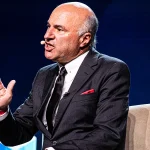


Kevin O’Leary’s blunt comments on individuals’ spending habits are making headlines in late December 2025.
In a recent YouTube video, he made remarks, particularly about spending money on lunches. Mr. Wonderful argued that many people claim they invest in unnecessary things, such as $15 lunches and gourmet salads, rather than building wealth.
Here is a breakdown of what Kevin is saying and what lessons familiar people can take, especially during times of economic inequality and financial pressure.
Why O’Leary Is Talking About Lunch Habits?
In the video titled “If You Want To Get Rich, Stop Buying These 5 Things,” Kevin O’Leary delivered a tough message, which is often hard to ignore. Ordinary people often sabotage their ability to accumulate wealth through spending habits they regularly follow, like eating lunch.
Moreover, he mentioned that these habits quickly drain savings and destroy their personal capital that could have been invested elsewhere.
Kevin’s message is quite simple and clear: if you are constantly spending $15 to $20 per day on meals, something that feels routine can make the situation worse. Further, he argues that this amount can add up to thousands of dollars spent per year. Instead, that could be invested and grow via compounding.
While this is not a new idea, Mr. Wonderful’s delivery was blunt. Rather than framing it in financial terms, he presented it as a mindset problem. Consequently, it is claimed that many people like convenience or are too lazy to cook.
The Math Behind the Message
Kevin has made a moral point through his message, while also illustrating the opportunity cost of not cooking at home. According to statistical data, an average American family spends over $ 4,000 per year on meals out, including lunch and dinner, as well as spontaneous orders.
On the other hand, he asked you to think about investing $4000 every year in a diversified portfolio. According to historical data, average stock market returns have been around 7-10% annually.
Besides, he said that over a period of 30 years, small contributions can grow into large balances because of compound interest, in which the earnings generate returns themselves.
Daily minor and easy changes cumulate into significant financial differences over time. According to his viewpoint, people who give excuses for not investing most often miss the wealth-building capability of disciplined savings.
Is He Blaming the Victim Or Sharing Tough Truths?
Nevertheless, he faced criticism from many who mentioned that Kevin O’Leary oversimplifies reality. Not every individual who purchases a meal outside is lazy, especially in urban areas where food costs are higher. In these areas, lunch breaks are short, and making meals at home is not feasible due to the absence of a kitchen or work schedules.
Additionally, due to high living standards and income inequality, there are no extra dollars left to invest elsewhere. Things like rent, medical treatments, and childcare affect an individual’s income.
Many people also support Kevin’s message. The supporters emphasize the point Kevin made, further mentioning that building wealth is not always about how much money you earn. Instead, it is about how you manage your money.
People also said the idea behind his advice is not to eliminate financial struggles, but instead to create smugness around poor spending habits. However, the truth lies somewhere in between.
Where Financial Discipline Matters Most?
Let’s dive deeper into the spending categories pointed out by O’Leary and other financial advisers.
Daily Meals and Snacks
Certainly, a $ 15 lunch is not much, but if you decide to eat out five times a week, that is over $3750 per year. It also includes snacks, coffee, and evenings out and thus, dedicated savings can transform it into compound growth.
Coffee Shop Visits
While working from the office, people often buy coffee multiple times in a day, whether that is $4 or $6 per cup. Hence, Kevin and other investors suggest that brewing coffee and drinks as you go can cut this cost.
Impulse Purchases & Fast Fashion
Spending on trends, gadgets, clothes, and quick purchases does not feel much individually. But habitual impulse buying can erode finances over time.
Unnecessary Subscriptions
Subscription services you don’t use much but still pay for monthly drain cash quickly. Cancelling those subscriptions is the simplest method to free up your cash.
Takeaway
Due to modern financial infrastructure and technology that includes fractional shares, apps, and low-cost index funds, starting small is easier. Kevin O’Leary’s key point is that you do not have to be rich or wealthy to start investing.
Kevin O’Leary argues that if you never begin thinking that you investment is too small, you will never benefit from long-term market growth.