
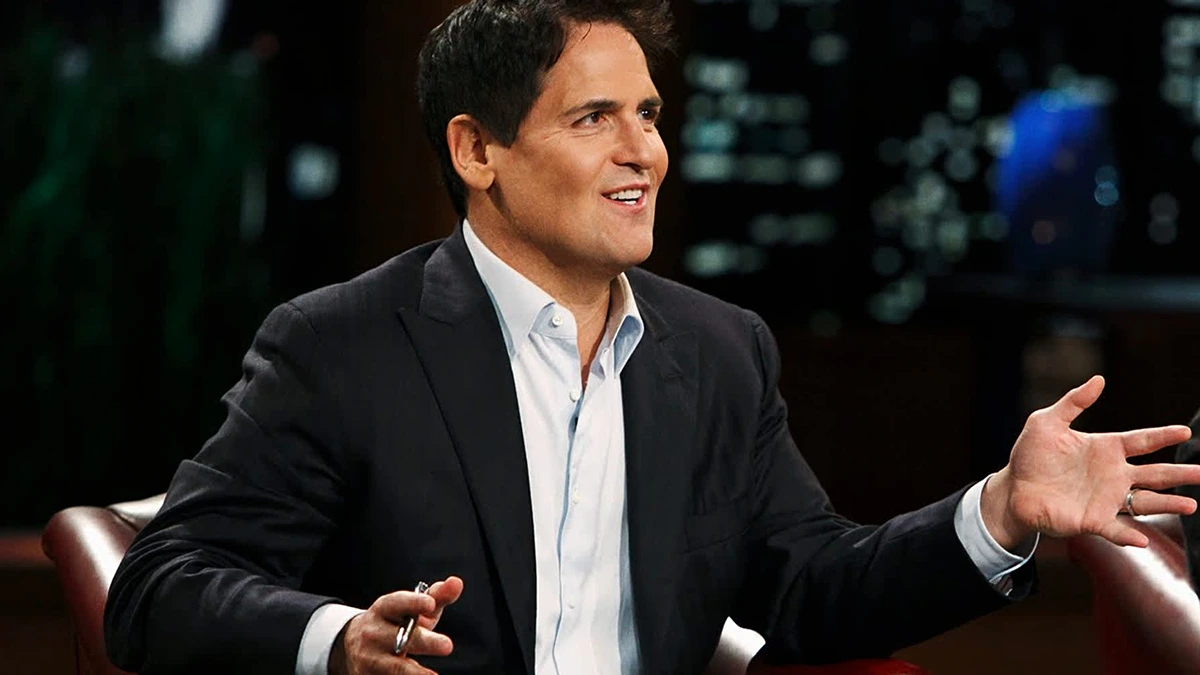
In one of the recent YouTube videos, Mark Cuban has warned the leaders, policymakers, business owners, and consumers of an upcoming recession. In this article, we have discussed the four major industries that could be among the hardest hit sectors during an economic downturn.
Why Cuban Thinks a Recession Is Approaching
Mark Cuban’s projection is not based on short-term facts and figures; it stems from decades of experience in the dynamic business world. The billionaire entrepreneur understands how economic cycles function.
According to his experience, layoffs lead to lower revenue for many businesses, further slowing the economy. Consequently, when buyers tighten their hands, purchases drop, and business owners feel the pinch, creating a domino effect.
These types of recession warnings are gaining vibrancy beyond Mark’s commentary. Even some analysts projected that the odds of recession have risen dramatically in 2026 because CFOs and strategists are handling downturn risks.
The 4 Industries Cuban Says Could Collapse First
Let’s have a look at the four most vulnerable industries if recession hits:
1. Traditional Media
Mark left no stone unturned while discussing the history and present of the media industry. According to him, it is one of the most vulnerable sectors if the recession returns. In the same YouTube video, he mentioned that media businesses have struggled to adapt to the shift in customer attention from newspapers to digital media.
The Shark Tank star believes the media is most vulnerable because its revenue is heavily dependent on advertising. Additionally, the dynamic world of digital media has fragmented as audiences have spread across social platforms. YouTube, TikTok, Instagram, and others.
With the rise of AI, generating media content and diverting consumer attention has become very easy. Thus, falling viewership along with subscription fatigue make sustaining production budgets tough.
In a real-world recession, advertisers first cut spending, which will hit media businesses’ significant revenue streams. So, media companies looking to partner with other brands and diversify their streaming arms would be the only ones to survive in this situation.
2. Restaurants and Dining
Mark has also pointed out the restaurant and dining sector as one of the industries that can be affected by an early recession. Restaurants and other dining spaces typically operate on very thin profit margins, even when the economy is good. This makes the sector particularly vulnerable when customers cut their discretionary spending.
Basically, as Mark says, restaurants will be among the first to feel the pain from rising wage pressures. This industry faces increasing operating expenses, which in turn narrow margins. Also, one reason is food inflation: in recent years, the prices of basic ingredients have skyrocketed, further eroding profitability.
During a downturn, customers prefer cooking at home rather than dining out.
3. Businesses Dependent on Government Funding
Mark mentioned that some specific sectors or companies depend mostly on government contracts and funding. Though this reliance is stable in good times, it could backfire during an economic downturn or recession. The government quickly shifts its spending priorities, tightening the budget as tax revenues decrease.
Moreover, significant programs that once offered consistent income streams for businesses might be reduced or cut, leaving companies struggling.
These industries include businesses relying on government grants, not-for-profit organizations, and contractors to government agencies. Subsequently, Mark’s major concern is that when government spending dries up, how will these sectors stay afloat?
4. Companies Dependent on Platform Ecosystems
At last, Mark pointed to the most important sector that could be affected by this downturn: businesses that depend on another company’s platform. These businesses are sellers dependent on Shopify, Amazon, or other online marketplaces.
The most important issue is when service providers are heavily reliant on these platforms, which can lead to loss of visibility and pricing power. Recessions mostly hit online marketplaces too, further leading to decreased organic reach, higher fees, increased competition, and a transformation in algorithms.
He particularly states that online sellers dependent on Amazon are among the most vulnerable ones. These businesses have little or no recourse if Amazon raises its fees or changes how it showcases products.
The same risk extends to platforms like Etsy, where rising service costs and fee structures have already pressured sellers, reducing their profitability even before any recession.
Takeaway
Cuban’s view aligns with broader economic sentiment among analysts that recession risks are rising.
For instance, some forecasts put the odds of a recession at around 60%, suggesting that markets and macroeconomic indicators are increasingly pricing in a downturn. These types of projections consider factors such as a slowing economic growth rate, increasing unemployment, and reduced consumer spending.