
For a lot of Americans, the biggest fear around retirement is not boredom or health. It is money. The thought of outliving your savings weighs heavily on people, often more than they admit.
The data backs it up. A recent survey from Allianz Life found that close to two-thirds of Americans fear outliving their money more than death itself. It is a quiet concern that rarely gets discussed, yet it plays a real role in how people plan, spend, and think about the years ahead.
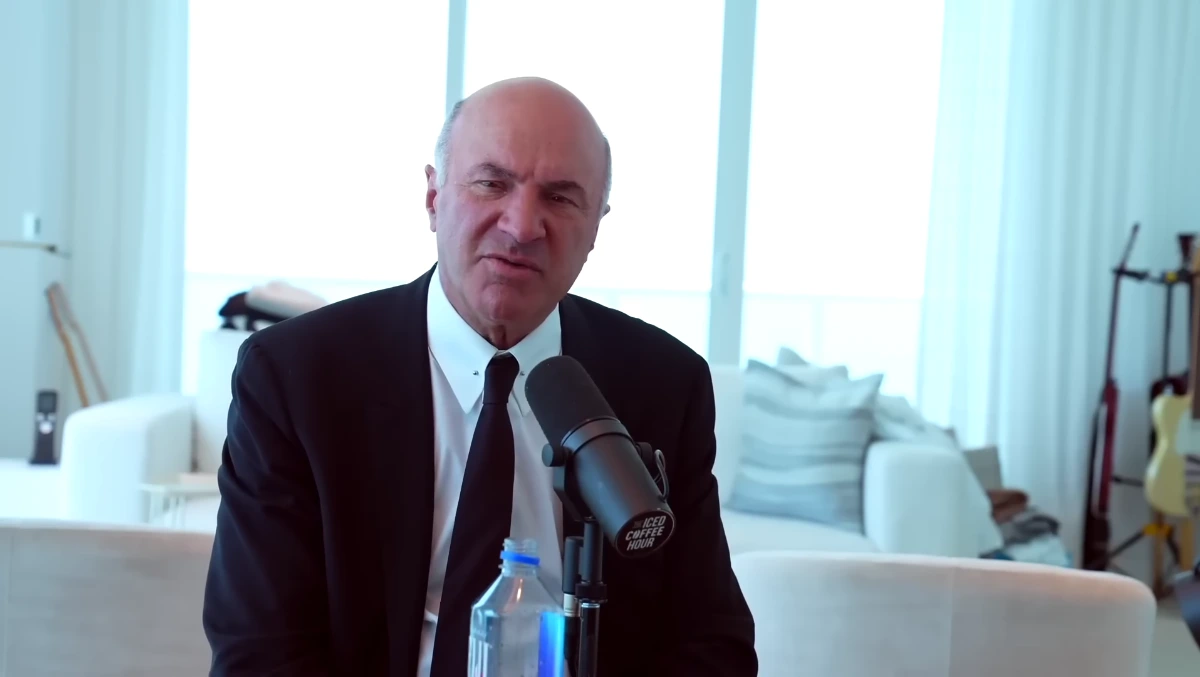
Kevin O’Leary challenges the idea that retirement demands millions in the bank. The Shark Tank investor has outlined a plan he believes can support retirement on a much smaller amount.
His thinking centres on planning and control. The focus is on making savings last through smart structure and realistic expectations, rather than assuming a larger balance will solve everything. And while retirement viability depends heavily on where and how someone lives, some basic gospel truths about it are universally acceptable.
Kevin O’Leary’s $500K Retirement Plan
Kevin O’Leary sees a $500,000 retirement fund as workable when expectations are realistic. His view is that the focus should be on steady returns. If that money is placed in lower-risk options that earn approximately around five percent, it can generate a steady annual payout.
The approach is about preserving capital while still producing cash flow. In other words, a $500,000 earning five percent produces about $25,000 a year. It is not flashy, but it’s predictable.
For many people, that consistency matters more than chasing higher returns. The comfort comes from knowing the money is working without being constantly exposed to big swings.
Why $25,000 a Year Falls Short for Many Retirees
A yearly income of $25,000 can feel tight at first glance. It does clear the federal poverty line for one person, yet it falls well below what most full-time workers earn today.
Figures from the Bureau of Labor Statistics make the contrast clear. The average full-time worker brings in much more over a year, and when you line the numbers up, the difference stands out immediately.
That contrast is exactly why Kevin O’Leary pushes people to think beyond parked cash. He has said that accepting some market movement can open the door to higher returns. Staying too conservative may protect the balance, but it can also cap income.
One option he often points to is broad index funds. They allow investors to participate in market growth without betting on a single company. The risk is spread out, and the upside can be meaningfully higher. For retirees trying to stretch their savings, that balance between risk and reward can make a real difference.
How Inflation Changes What Market Gains Are Really Worth
Putting money into a broad market fund means owning a slice of the biggest companies in the country. Over long stretches, that kind of exposure has produced strong average gains. On the surface, it can make a $500,000 portfolio look like it throws off a healthy yearly income.
Once rising prices are factored in, the picture shifts. Inflation quietly reduces what those returns can actually buy. What looks generous on paper shrinks when adjusted for real-world costs, bringing the usable income down into a more modest range.
When $40,000 a Year Can Work, and When It Can’t
There is also the uneven nature of the market to consider. Returns do not arrive on a schedule. Some years outperform, others disappoint. In places where costs are lower and life is fairly simple, a little over $40,000 a year might be enough to get by.
In more expensive areas, or with fewer trade-offs, it can feel restrictive and uncertain. The numbers may add up on paper, but there is not much room for missteps, and how you live ends up mattering more than the projections.
The Importance of Realistic Retirement Planning
A modest retirement fund can still make sense if you are clear about how you live. That means knowing your expenses and being upfront about what you are willing to adjust. When your day-to-day choices match the amount of risk you are comfortable taking, the plan holds steady.