

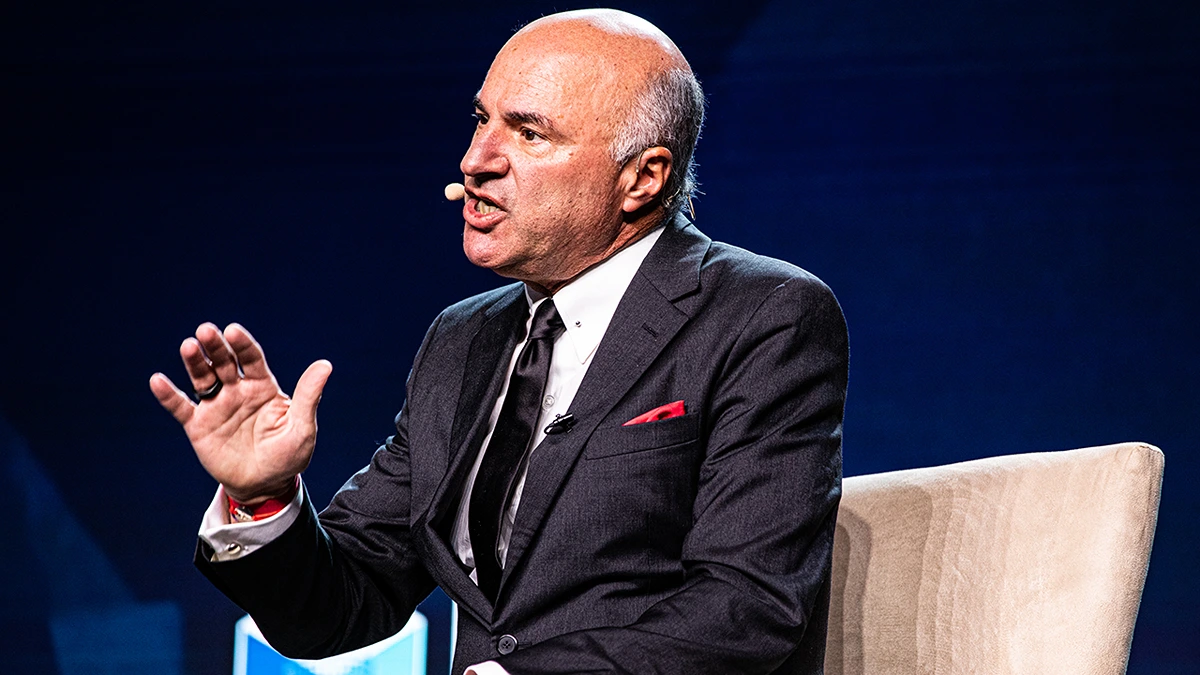
Kevin O’Leary, the famous Shark Tank investor known as Mr. Wonderful, gave a very different note to people earning $70,000 per year. Though owning a house has been a major pillar of the American Dream, it sparked discussions about debt and how smart money moves in today’s high-cost housing market.
In one of his Facebook posts, shared alongside his interview with Fox Business, Kevin clearly stated that if you make $70K a year, you should not rush to buy a house. Not yet. This notion brings together housing market pressures and a math-based approach, which aligns with the no-nonsense attitude he presents on Shark Tank.
Here is a breakdown of why he said this, and why you should take this seriously without losing sight of your long-term plans.
The Homebuying Reality for $70K Earners
Kevin O’Leary challenged a long-held viewpoint that owning a home is a smart investment. For American citizens earning $70,000 per year, an amount very similar to the national wage average, this assumption simply does not hold in today’s market.
Let’s list some of the issues associated with this assumption:
- One of the major reasons is the high cost of housing, which has further increased mortgage payments. Consequently, the prices are much higher than they were.
- Mortgage interest rate payments remain elevated when compared to the historic lows of recent decades. This makes monthly mortgage payments steeper.
- Property tax, maintenance charges, insurance, and other expenses further strain budgets. This squeezes the majority portion of your take-home salary.
Of course, this was one of his blunt statements, that many prospective buyers are not in a strong position to own a house. His perspective reflects that not everyone earning $70,000 a year can comfortably bear that burden, and that housing costs prevent savings and investments.
Why O’Leary Is So Candid About This Advice
Mr. Wonderful’s commentary resonates with many people as it has stirred conversations about a broader philosophy. As the philosophy states, do not let your emotions override the financial logic. He has repeatedly stated on Shark Tank and beyond that discipline and prudence are required while making investment decisions. Additionally, avoid making oversized financial commitments that can cripple your future choices.
This similar perspective highlights that one should not pay more than a manageable portion of their income. He extended his viewpoint to owning a house that leaves you broke, further undermining your ability to save and invest.
Hence, buying a house early can lead to a money trap, specifically when your income is growing slowly. His commentary on purchasing a house is not about caution; rather, it is about realistic financial planning that prioritizes wealth accumulation over milestones.
Renting vs. Buying: What O’Leary Recommends
Now, the big question is, if buying a house on a $70 salary is not a smart move, then what is? According to Kevin O’Leary, one of the smartest moves is renting strategically while you strengthen your financial foundation.
Here is the reasoning:
Maintain Flexibility and Cash Flow
Renting an apartment or a place does not restrict your monthly budget. At the same time, you can save and invest constantly by staying nimble if the job market or circumstances change.
Build Wealth Through Other Vehicles
As per Kevin, instead of investing a huge portion of your monthly income in buying a house, build an investment portfolio and diversify assets. Furthermore, developing these funds offers liquidity and potential for growth.
Buy When It Makes Strategic Sense
O’Leary also mentioned in the post that purchasing a house makes sense if you plan to stay put. This smooths out transaction costs while reducing the short-term risk from market fluctuations. He is not against homeownership; instead, he is against anti-impulse purchases. That is why he requests that would-be buyers wait until their finances are strong enough to back the real costs of owning.
Takeaway: The Math Behind the Warning
Kevin’s advice is not just based on his opinion; it stems from straightforward math. For instance, consider that your housing costs or mortgage payments must not exceed 30% of your monthly income. This is not a random number; rather, it is a threshold to keep spending on buying a house, without undercutting several essentials.
For people earning $70,000 or less per year, after taxes, 30% of income equals $ 1,400-$1,500 per month in housing expenses. However, after including insurance, taxes, and maintenance costs, this figure is typically increased. Thus, you can combine this with volatile interest rates, which further widens the affordability gap.
Hence, Kevin’s perspective boils down to one conclusion that if you qualify for a mortgage, it does not mean that you are in a comfortable position financially to take one.