

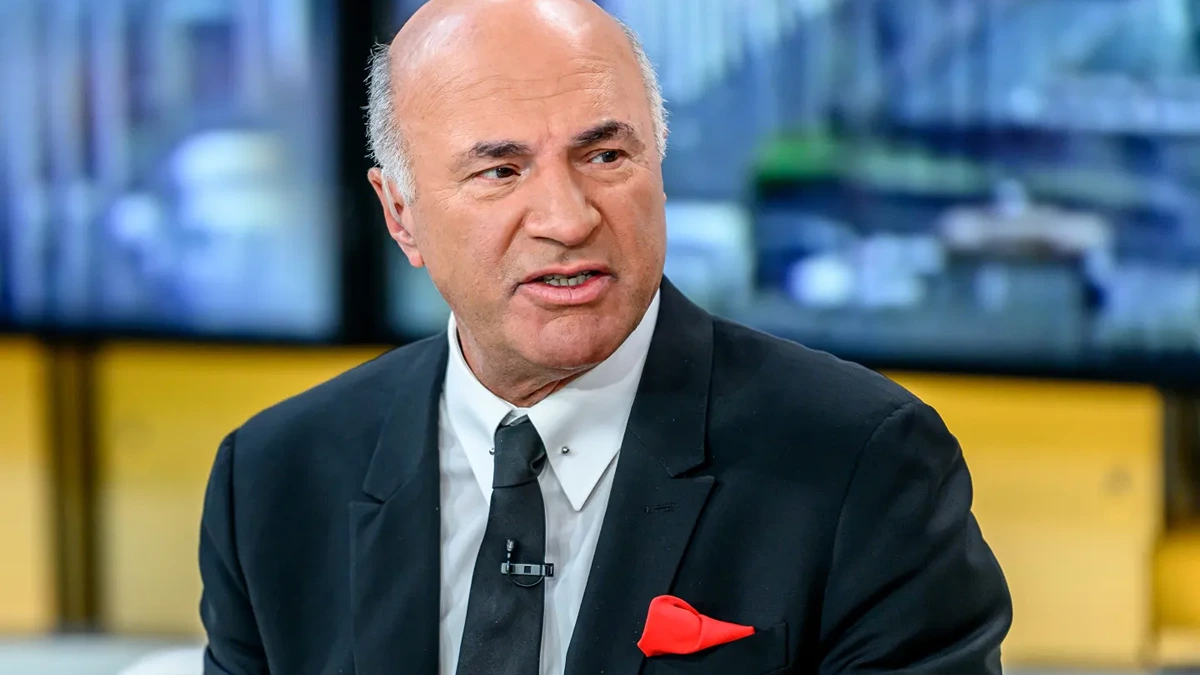
With AI accelerating rapidly, several industries are booming alongside it. Some are thriving, and others are struggling to keep up. Kevin O’Leary recently shared a LinkedIn update where he shifted the conversation away from which AI startups might win or lose.
AI infrastructure comes with a heavy price tag and toll on natural resources. A data center needs powerful GPUs, quick storage such as NVMe or SSD, and a huge amount of memory. It also takes a sizable upfront budget. These costs stack up fast and can drain a company’s cash far quicker than planned.
He points out something far more basic that rarely gets enough attention. The entire AI boom depends on access to huge amounts of reliable energy that is both affordable and clean.
Mr. Wonderful argues that this demand for massive power will shape the pace of AI development more than any individual company or product.
Kevin O’Leary Pushes Back on the AI Bubble Idea
Kevin O’Leary was asked on X recently if the fast climb of AI feels like a bubble forming. He pushed the idea aside and said the technology is already built into how the country operates day to day.
In his view, every major industry is using it in one way or another. Be it property markets, banking, or other core parts of the economy.
He added that the past couple of years have changed the way people talk about AI. What once sounded like hype has turned into something companies rely on to tighten operations, raise output, and improve their bottom line.
The Problem With The Rise of AI
The biggest issue that the expansion of AI has birthed is the issue of power and over-consumption. Kevin explained this, saying, “Now, we’ve got a really big problem, and it’s called the grid. There’s no power left.”
Kevin O’Leary Bets On Power
Like many in the sustainability field already have, Kevin also shifted the focus to hardware and energy systems that let those AI tools exist in the first place.
He went on to explain how the power-generating company Bitzero is approaching this problem. They are focusing on building operations where energy is both inexpensive and clean. The company also plans to turn to nuclear energy and bring the costs down to under six cents per kilowatt hour in the near future.
Kevin believes this hunt for low-cost, renewable energy is where the long-term investment opportunity sits. Mr. Wonderful’s advice is that anyone hoping to benefit from the AI wave should look closely at the companies securing the power that keeps all this computing alive.
Kevin O’Leary Sees Bitzero as a Key Player in the AI Era
He went on to explain that groups like Bitzero matter because they handle the power and facilities that make big digital systems possible. AI developers and crypto miners both rely on heavy, steady energy, and he says the race for those resources is the same no matter which part of the AI world you look at.
The Shark Tank investor also praised CEO Mohammed Bakhashwain’s effort to lock in multi-year power deals at very low rates in places such as Finland and Norway.
O’Leary described this investment as a way to back the backbone of the AI boom rather than just the AI-tech itself. In other words, he wants to own the systems that supply the electricity behind all the computing.
Without power, none of the AI tools matter. Bitzero is positioned well because it has access to that essential resource. And Kevin isn’t the only Shark weighing in on the AI race.
What Mark Cuban’s Tech History Insight Adds to Kevin’s AI View
Kevin’s fellow Shark, Mark Cuban, also recently commented on the matter of the AI bubble and AI race.
Speaking at the Global Impact Forum in Pittsburgh in November 2025, Mark had said, “They may be overspending, and if they overspend or get too caught up, the bubble is in the competition between all those models because that could pop just like that with any new technology.”
He went on to add that “I just can’t imagine over a 10-year period that we aren’t going to improve the technology enough that if you overspend on today’s technology, it just doesn’t feel right to me.”
Many leading companies are investing heavily in computing, data centers, and specialized talent. They are chasing the idea of building an AI system that can outpace everyone else.
Mark Cuban has also cautioned that this mindset can backfire. He compared it to the early search engine and dot-com-era rush. There were plenty of contenders back then, but only a small number survived. Google emerged as the clear winner, while the others faded away.
He believes AI is heading down a similar path. The rush will cool, the market will shrink, and only a small group of models will hold real staying power.
Bigger Picture Behind the AI Boom
AI is racing ahead, and Kevin O’Leary brought the spotlight back to the parts we didn’t think about. He’s convinced the real pressure point is the power behind the models, not the models themselves.
Mark Cuban’s warning fits right into that idea. He’s seen tech cycles rise and fall, reminding us that tech waves can shrink just as quickly as they grow.
The companies that stay grounded, manage their resources well, and secure the energy they need are the ones most likely to last.


















Amazing breakdown — the numbered steps made it easy to follow.
I like the efforts you have put in this, regards for all the great content.
Great information shared.. really enjoyed reading this post thank you author for sharing this post .. appreciated