
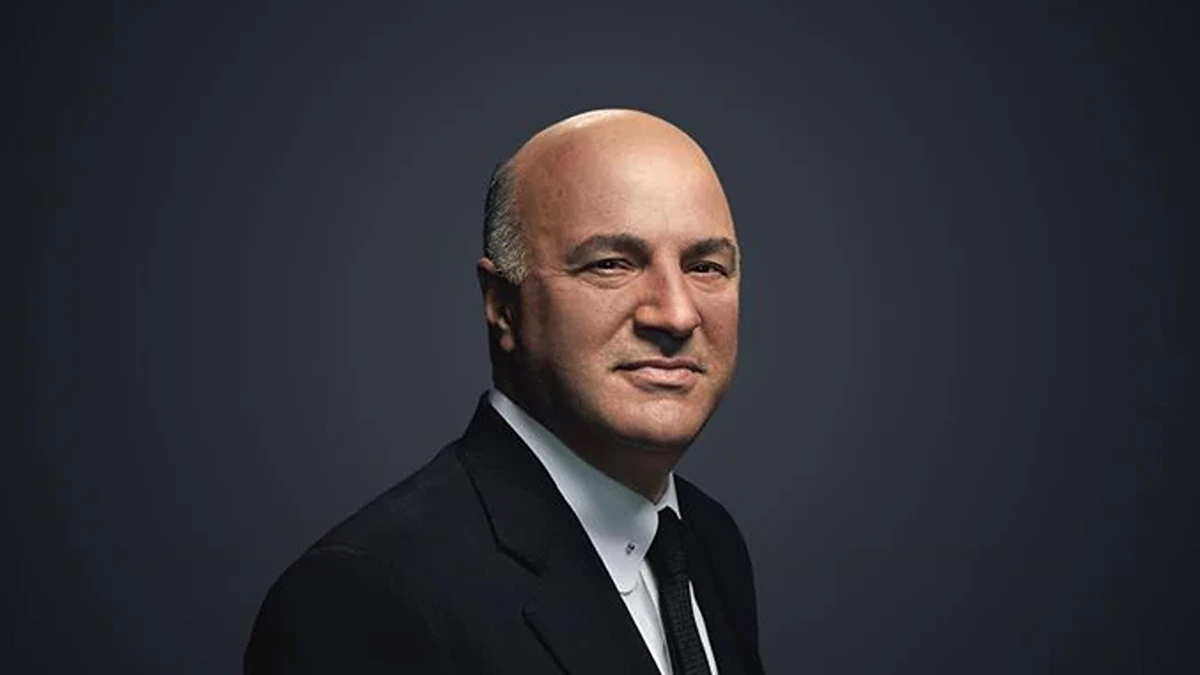
Kevin O’Leary is pushing back against the assumption that engagement and visibility are everything in this digital age. In one of his recent posts on X account, he argued that the widespread habit of being loud on social platforms, especially about politics and other topics among entrepreneurs and brands, is wiping away their profits.
Moreover, initially, this statement might sound counterintuitive, as marketing relies heavily on social media presence and viral content. But Kevin, a seasoned investor and Shark Tank personality, apprised that controversy does not increase value. In fact, most often it hurts a company’s key mission and alienates customers.
Here is a breakdown of why this thing is hurting profits, and how entrepreneurs can develop a brand that attracts customers.
The Problem: Loud Online Behavior and Profit Erosion
Kevin O’Leary, also known as Mr. Wonderful, shared a blunt message that entrepreneurs cannot make money by being loud or controversial online. Rather, they can make money by understanding the rules.
Here is the logic behind Kevin’s statement:
- When companies broadcast opinionated content, particularly on culture and politics, it often makes people feel they have taken sides. In that case, more than half of their potential customers can immediately tune out or even disengage.
- Companies might get a boost in their engagement rate and visibility due to viral content or even negative attention in the short term. Yet visibility does not equal profit or sales, especially when customers feel excluded.
- Kevin stressed the point that customers prioritize product quality, price, and availability, instead of its stance on politics. Thus, being loud about things that are not directly tied to your customer value can be riskier than brands even realize.
In short, O’Leary warns companies that due to attention-seeking divisiveness, they might get more clicks, but it has no impact on revenue.
The Cost of Being Loud: Why It Hurts Profits
There are various ways in which companies pay off the cost of being loud on social platforms.
It Shrinks Your Total Addressable Market
When brands take a stance on polarizing topics, they effectively narrow down their potential customer base. Of course, a brand that might support one side often loses the support of the other side, further moderating who prefers neutrality.
For example:
- A customer with a neutral stance might choose to buy from a competitor who does not broadcast their opinions.
- Also, local communities or groups might boycott a company that is leaning towards political conflict.
- Global audiences that are important for many brands might turn away if they feel excluded.
It Creates Customer Fatigue
Consistently giving loud commentary on hot topics, political or cultural debates, can lead customers to brush off the value proposition. They might even scroll, avoiding its products or unfollow the brand entirely. While this happens, even great products are ignored.
It Distracts From Core Value Creation
The most important job of a company is to solve customer problems, instead of online theatrics that draw attention away from significant business tasks. These important tasks include customer service, distribution strategy, and product development.
Rather than spending hours creating a controversial post, savvy business owners are leveraging that time into understanding the rules of their business.
Takeaway
If Kevin O’Leary’s statement is true, then what equals profit?
Post content that entertains or solves a particular customer problem will increase engagement, and it is directly tied to brand value. For instance, how-to videos, testimonials, product live demonstrations, and industry insights. This type of post and content develops loyalty and trust.