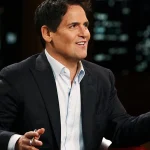

Coffee slips past scrutiny because it barely registers as a choice. It’s inexpensive, automatic, and wrapped into the rhythm of the day. You grab it, drink it, move on. That’s why Mark Cuban keeps coming back to it when he talks about money. Coffee represents the spending that people never stop to question. These are the purchases that feel invisible because they’re familiar.
Mark Cuban’s Money Question
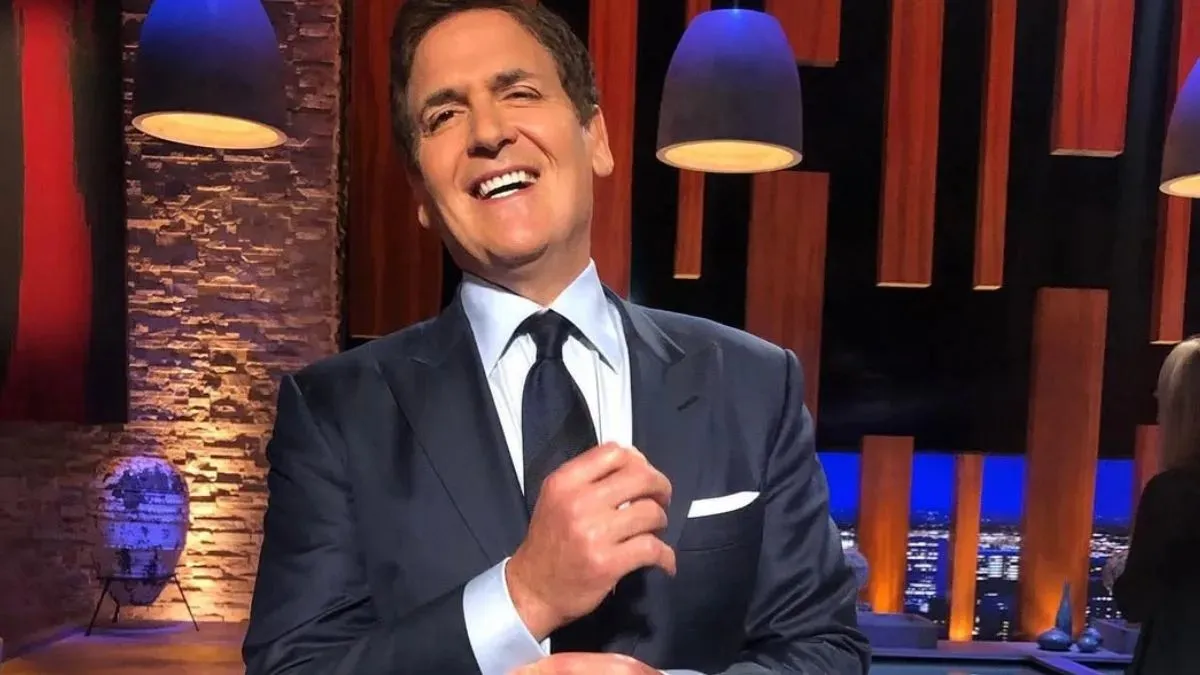
During an appearance on Jules Terpak’s YouTube channel in 2025, Mark Cuban circled back to an idea he knows tends to annoy people.
He suggested cutting out the everyday latte and putting that money to better use. It’s advice that sounds simple, almost too simple, which is why it sparks so much pushback.
Cuban has mentioned a TikTok he shared that rubbed some people the wrong way. He told viewers to pass on the latte and do something else with that money.
Whether it’s a few bucks or closer to ten, depending on the city, he suggested parking it in a money market account. The takeaway wasn’t focused on coffee itself. It was about noticing where small amounts of cash usually disappear without a trace.
Mark Cuban on Spending as a Personal Choice
Cuban went on to say that none of the backlash surprised him. People accused him of trying to ruin small pleasures and take joy out of everyday life. According to Cuban, some people missed the point. He wasn’t telling anyone what to do. He was merely offering a choice and nothing more.
Very few people want to feel like they have to choose between enjoying life and being smart with money. Most want both. What matters is whether that balance is chosen on purpose or just happens out of habit.
Mark Cuban’s Coffee Spending Example Explained
Think of a latte that costs approximately seven dollars. Buy one every day, and you’re quietly spending a few thousand dollars a year. Keep that routine going for several years, and the total creeps into five figures, even before growth enters the picture.
Now imagine sending that same money somewhere else. Drop it into a money market account instead. The balance builds steadily, without wild swings or perfect timing. This isn’t about iron willpower or cutting everything fun. It’s more so rooted in showing up consistently and letting small choices do their work over time.
The Dallas Mavericks owner explained his philosophy, saying, “If you want that joy of that latte and when it’s gone, great.”
He further elucidated on his point by adding, “But if you want that pain of not having any money in the bank because you had those lattes and years, five years from now you’re looking back and going ‘that was a really good latte, I’m glad I’m broke,’ or would you rather be okay, you know, I’ve got a couple thousand dollars in the bank and that gives me options.”
Why Balance Beats All-or-Nothing Budgeting
Money decisions don’t have to be extreme to be effective. Most people just want flexibility. Something like streaming subscriptions is a great example. You don’t need to cancel everything. You might rotate them instead, keeping one or two and pausing the rest.
The spending stays reasonable, and you still get what you enjoy. The same logic applies to money. If certain expenses are non-negotiable, something else needs to work in the background.
Choosing Long Term Options Over Short Term Comforts
Cuban applies this way of thinking to everyday choices across the board. It could mean settling for a modest car and putting the savings to work. It could mean easing up on convenience buys and redirecting some of that cash instead. The idea is to find smarter ways to build wealth without turning life into a constant exercise in restraint.
He once posed it as a look-ahead question. A few years from now, which decision will make you feel better? The balance sitting in your account or the small treats that faded as quickly as they were consumed.
Some people will still pick the treat, and that’s a valid call. Others will prefer the breathing room money creates. The real problem (or the opportunity cost) is never slowing down enough to think about the trade-off at all.