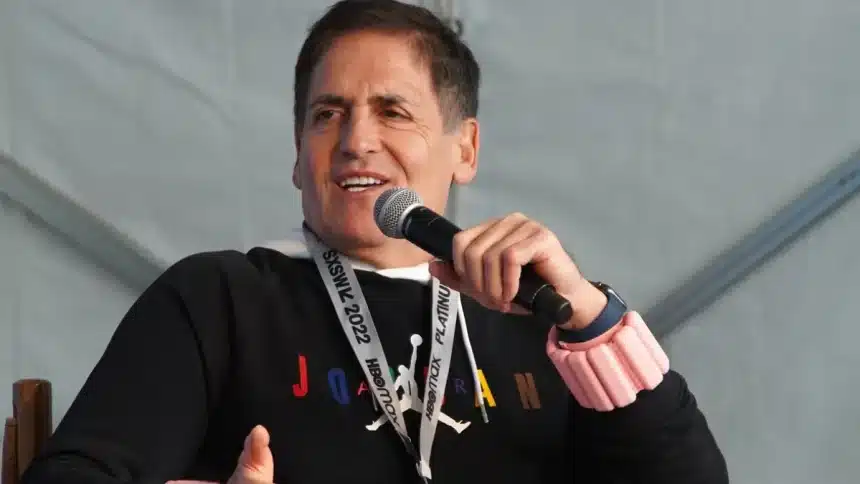
Mark Cuban believes one mistake holds more people back than almost anything else in their 40s: becoming too comfortable. By this stage of life, many people have established careers, years of experience, and a solid reputation. While that is an advantage, Cuban warns that comfort can quickly turn into complacency.
In a 2023 interview, Cuban reminded workers that they’re “free agents.” He believes people should keep learning throughout their careers instead of assuming their current job or past experience will always keep them secure.
The numbers support his view. According to the World Economic Forum (WEF), around 40% of workers’ existing skills will change by 2030. Most employees will need some form of upskilling or reskilling to stay competitive.
Experience isn’t a Guarantee
Many professionals believe years of experience provide job security. Cuban says companies value the value you create today more than what you accomplished years ago.
The WEF reports that 63% of employers see skill gaps as a major challenge to business transformation. Your experience should be the starting point, not the finish line.
Cuban says that the people who continue to grow are the ones who never stop learning. As workplaces evolve, relying on the same skills can become a disadvantage.
Learning doesn’t require another college degree. An online course or professional certification can help you stay current and build new expertise.
Adapt Instead of Standing Still
Many mid-career professionals hesitate to use AI because it feels unfamiliar or complicated. Others assume automation won’t affect their jobs.
Whether you’re an accountant summarizing records or an analyst organizing data, AI can make everyday work more efficient.
Changing careers in your 40s can feel risky. Cuban says people should remember they’re “free agents” and explore better opportunities instead of staying stuck.
That doesn’t mean quitting immediately. Networking, updating your resume, taking classes, or applying for new roles can help prepare for the next move.
Keep Building Your Career
Loyalty doesn’t always guarantee job security. Layoffs, restructuring, and leadership changes can happen without warning.
Cuban recommends staying prepared by maintaining industry connections, freelancing, consulting, and continuing to build new skills.
Many professionals stop expanding their network after settling into their careers. Cuban believes staying connected creates new opportunities.
Reaching out to former colleagues, attending industry events, and joining professional groups can lead to valuable advice, partnerships, and job opportunities.
Don’t Wait Too Long to Pivot
Many people delay changing careers because they fear starting over. Cuban says changing direction doesn’t mean abandoning everything you’ve built.
Transferable skills make career changes easier than many people realize. Teachers can move into corporate training, while operations managers can transition into project management.
Small Steps Make a Big Difference
Busy schedules often make people put professional development on hold. However, staying in your comfort zone can slow your career growth.
Leading a project, mentoring a coworker, or learning a new system builds skills that often lead to bigger opportunities. Some employees only complete training when required. Others skip development programs altogether.
The WEF reported in 2025 that 77% of employers planned to train or upskill their workforce. Taking advantage of those opportunities can strengthen your long-term career.
Your Best Years Aren’t Behind You
Cuban rejects the idea that career growth ends after 40. He believes the people who thrive are those who continue to adapt, regardless of age.
Your 40s combine experience, judgment, and credibility, making them an excellent time to earn certifications, switch industries, or even start a business.
Build Financial Flexibility
Career changes become much harder when finances are stretched. High-interest debt, lifestyle inflation, and limited savings reduce your options.
Paying down debt, growing retirement savings, and maintaining an emergency fund can provide the flexibility needed to pursue better opportunities.
Mark Cuban’s message is simple. The biggest mistake people make is becoming too comfortable. Small actions like learning a new skill, using AI, reconnecting with colleagues, or improving your finances can help you stay adaptable as industries continue to evolve.
Even spending 30 minutes each week working toward one of these goals can make you better prepared for whatever comes next.