

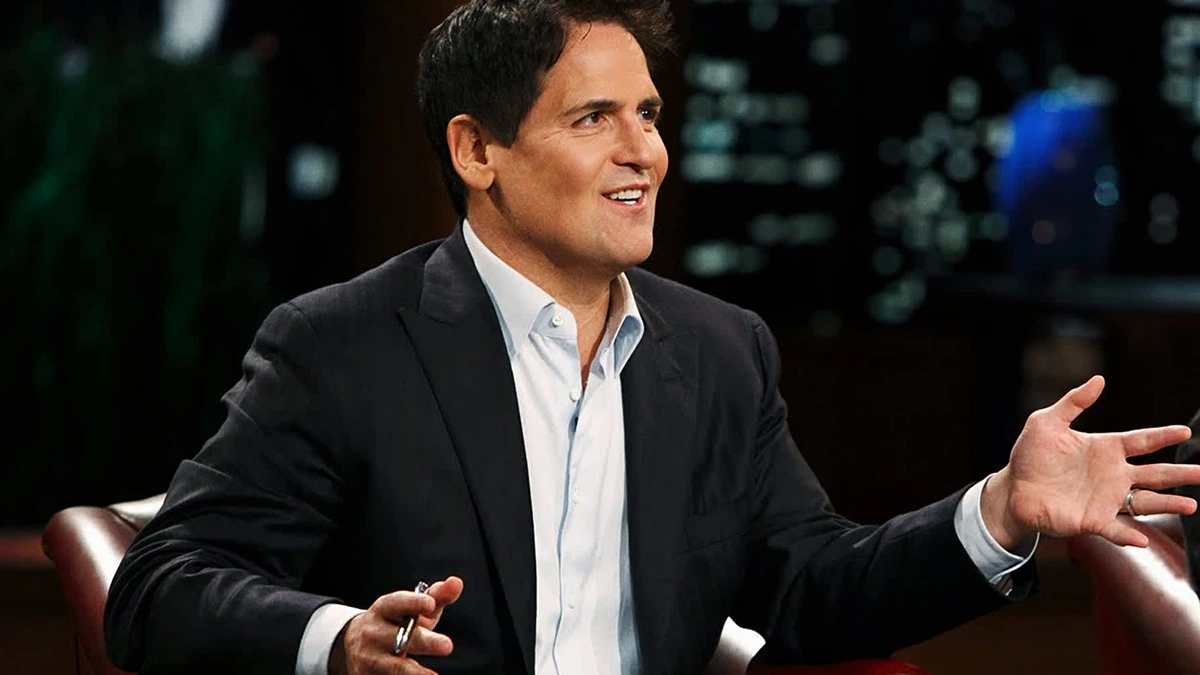
The debate over the fairness of the United States’ healthcare system has erupted in recent months. Billionaire entrepreneur and investor Mark Cuban has been posting on his X account, criticizing how the system operates.
According to Mark, the American healthcare industry is rigged by inflated drug prices, opaque pricing, and intermediaries profiting from patients and hospitals.
Cuban makes his point by stating that the system operates in a way that benefits only the biggest players. Here is a breakdown of his recent arguments and the reforms needed to fix the system.
Why Mark Cuban Calls It a “Rigged Game”
Mark Cuban recently outlined his criticism on his X account, saying that the American healthcare system has become a game of who can rip off patients and get away with it.
His blunt statement suggests that the U.S. healthcare industry does not offer fair prices, quality, or competition. Rather, it has become a market where insurers and pharmacy benefit managers (PBMs) intentionally exploit information and pricing.
Here’s how he breaks it down:
Hospitals Inflate Prices Knowing Insurers Will Pay
Mark mentioned a significant point: hospitals often charge insurance companies far more than the cost of their services, specifically when they believe insurers will pay more. For instance, he states that providers charge add-ons, such as a facility fee. After that, they increase the bills to insurers above what was initially charged to the patient.
Consequently, from his point of view, this is a business practice that has been made possible by a system that lacks price transparency. It is driven by negotiated costs rather than real costs.
This kind of pricing ripples outward as patients face rising co-pays, deductibles, and premiums. Even the insured patients end up paying more without knowing the actual pricing.
As Mark noted, this facet indicates that this system benefits large hospitals more than patients or small providers.
Insurance Companies Have No Incentive to Control Costs
According to Cuban’s recent remarks, he challenges the claim that insurers pay only what hospitals charge. Instead, he states that insurers benefit because higher charges increase premiums, administrative costs, and overall revenue.
One comparative example that he shared was between the MRI bills. He mentioned that any insurance firm would pay $2500 for an MRI when any nearby center would charge $350.
This stark difference shows how a lack of transparent pricing and negotiated reimbursement costs can disconnect price from its underlying value. This highlights a system in which neither insurers nor hospitals intend to reduce costs. Instead, they simply get the larger portion of the money.
Pharmacy Benefit Managers (PBMs) and Drug Price Complexity
As we know, Mark is also a critic of pharmacy benefit managers, who are the intermediaries in drug pricing. They play a significant role in how the medications are reimbursed and covered.
As per the reports, PBMs control 90% of prescription drug claims in the American healthcare system. Subsequently, their business model incentivizes higher listing prices instead of transparency.
Additionally, in his recent conversations with the leaders and policymakers, Mark explained how PBMs negotiate fees that are linked to higher prices. Also, he says that these middlemen create rebate group purchasing organizations that complicate pricing, rather than simplifying it.
Thus, in his viewpoint, patients end up paying more out of their pocket even though PBMs claim to negotiate better deals. This is not efficiency; instead, it is complexity, which is designed to benefit the middlemen.
Cuban’s Solutions: Disruption, Transparency, and Structural Reform
Mark Cuban has offered several ideas to fix this fundamentally skewed system. He suggested that insurance companies and pharmacy benefit managers should be subject to structural reforms and antitrust actions.
Also, he believes that by breaking up the vertical integration, competition could come back to what he calls the required areas of healthcare, which are lower costs and improved services.
According to the billionaire investor, the healthcare pricing system should be as transparent as any other industry or market. This means that hospitals, clinics, and labs must publicly list prices for procedures and services, further enabling patients to make informed choices.