Hundy Shark Tank Update – Shark Tank Season 17
From a single ingredient to a bold mission, can this frozen treat really clean up the entire aisle?

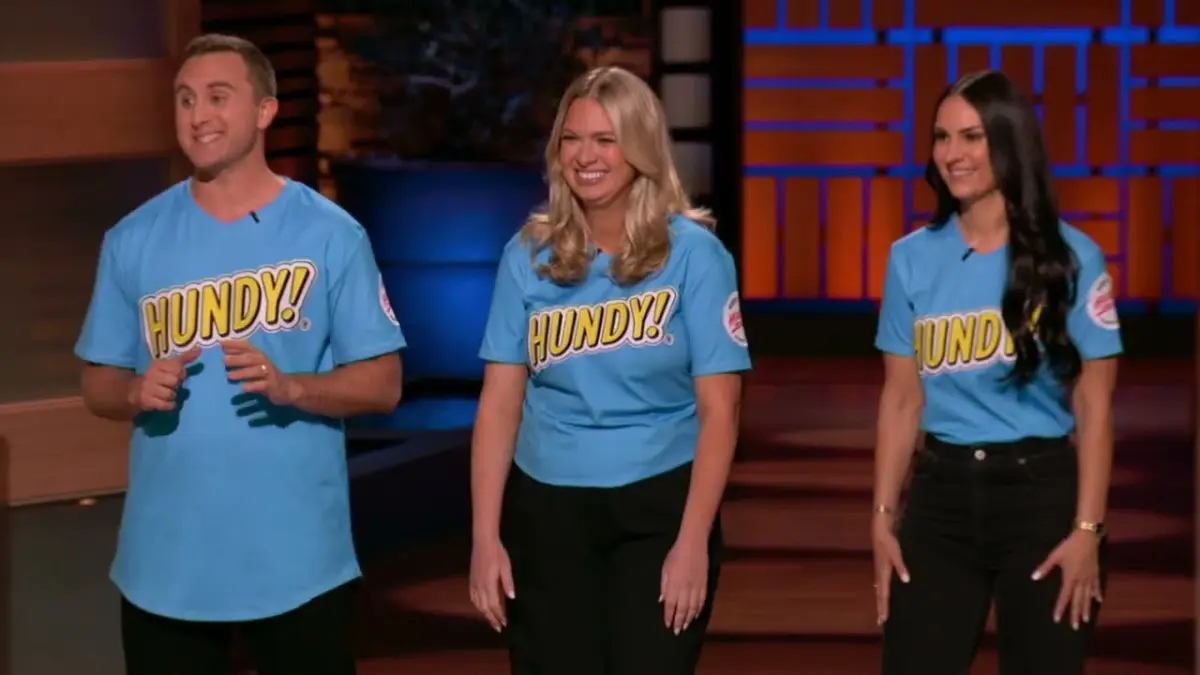
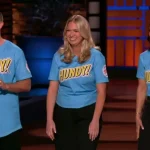
Take a walk down the frozen aisle, and you will see a long list of ingredients most people can’t even pronounce. For Aviv Schor and Jayna DeCarlo, this was the problem. In Shark Tank Season 17 Episode 16, the founders presented Hundy.
Hundy is a fruit pop made from a single ingredient. It has no additives and no preservatives; it’s pure fruit.
This sounded easy. Maybe too easy. And that’s exactly what made the Sharks pause and think if it was a breakthrough, or something anyone could replicate?
About Hundy
| Category | Details |
|---|---|
| Business Name | Hundy |
| Founders | Aviv Schor and Jayna DeCarlo |
| Industry | Food & Beverage |
| Product | Single-ingredient frozen fruit pops |
| Funding (Pre-Shark Tank) | Self-funded |
| Investment Asked | $300,000 for 10% equity |
| Deal Status | No Deal |
| Valuation | $3 million |
Aviv and Jayna built Hundy around a growing movement, clean-label eating, with an idea they had. They wanted to be open with their customers and sell products where people know what they are eating.
The name “Hundy” means one hundred percent. Every single product that Hundy makes is made from 100% fruit. It comes in an easy-to-use tube and doesn’t make a mess.
Hundy is different from frozen pops that are high in sugar and other unhealthy ingredients. Each pop is made using organic fruits like mango or pineapple. The founders said they ensure that the fruit retains its natural feel. You can see chunks of mango or pineapple in Hundy.
You can buy Hundy for between $8.99 and $9.99. The cost of making one Hundy ranges from $3.22 to $3.92, depending on the flavor. According to the founders, Hundy has a shelf life of up to two years.
Hundy Shark Tank Pitch
The founders were really excited. They talked about how Hundy is a better choice because it does not have artificial additives like other products in the market.
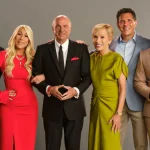
The Sharks loved the taste. Daniel Lubetzky said it is extremely delicious. Kendra Scott and Lori Greiner liked that it is simple and good for health.
Then they started talking about the business side, and that changed how everyone felt.
Kevin O’Leary did not think the business was worth much, as the founders said it was. He thought they needed to be more unique. Rashaun Williams asked who exactly Hundy is for. Is it for kids, people who work out, or families?
The founders said they had made $300,000 in sales, and it was available in 350 stores. They thought they would bring a sale of $760,000 by the end of the year. The founders were unsure who their main customers were or how to sell Hundy to them, which was a big problem.
What Makes Hundy Unique?
Hundy is different because it changes the idea of what a frozen treat can be. It stands out in the frozen snack market for its simplicity and clean-label approach.
- It has 100% organic fruit in it.
- The fruit keeps its texture and is not made into a puree.
- Hundy is a clean-label option compared to other freeze pops.
Did Hundy Get a Deal on Shark Tank?
While the taste of the product impressed the Sharks, the conversation quickly shifted from product quality to business fundamentals. As they had concerns about the business, they decided not to invest in it individually.
Lori Greiner was the Shark who said no to the product. While she loved the concept and its simplicity, she felt limited by its narrow appeal and didn’t see it as the right investment for her.
Kendra Scott agreed. She liked the product and even saw herself as a customer, but didn’t feel she was the right strategic partner to scale the business.
Kevin O’Leary focused on the company’s valuation. He thought the company was not worth $3 million at that point. O’Leary believed he would be too tough on the deal’s terms. So, instead of trying to make a deal that would be hard to agree on, he decided it was better to walk away from the company.
Daniel Lubetzky acknowledged the founders’ strengths but highlighted a bigger issue: an unclear target audience and early-stage positioning. Without a clear customer focus, he felt that accelerating growth would be difficult and decided not to invest.
Rashaun Williams noticed that the product did not fit with what people wanted to buy. He told the founders they should get money from people they know, like friends and family, or from people who really believe in what they are doing. For Rashaun Williams, the business was just not ready yet.
In the end, even though the company had a mission and a product the Sharks really liked, Hundy did not get any money from them, and they left without making a deal.
Hundy Shark Tank Update
The product was already in 350 stores when they were filming. They made $300,000 in sales.
Hundy is a new brand, so they are trying to figure out who their main customers are and what other products they can make. They might even come out with a berry flavor.
People want healthy, natural food. This demand is beneficial for the business. For Hundy to keep doing well, they need to know what makes them special and earn more money from each product they sell.
Where Can You Buy It?
The product can be found in retail stores, mostly in the western United States.
They also want to sell through their official website. More stores will carry Hundy as it becomes widely available. Follow them on their Instagram and Facebook for more updates.
Quick Summary
- Hundy brought a clean-label mission to Shark Tank but faced tough questions on business fundamentals.
- Aviv and Jayna pitched their business, hoping for $300K for 10% equity, but didn’t secure a deal.
- The product is a 100% fruit frozen pop with no additives or preservatives.
Read other Shark Tank Season 17 Episodes.
Curious about the other businesses featured in Shark Tank Season 17 Episode 16? Explore more updates and see which ideas made a splash in the Tank.
- Bloom Shark Tank
- 9 Strap Shark Tank
- Glimmer Wash Shark Tank