

Traditional Fisheries Shark Tank Update – Shark Tank Season 4
Traditional Fisheries pitched an innovative business that turned invasive lionfish into sustainable seafood, but despite its environmental mission, the Sharks questioned the market demand.

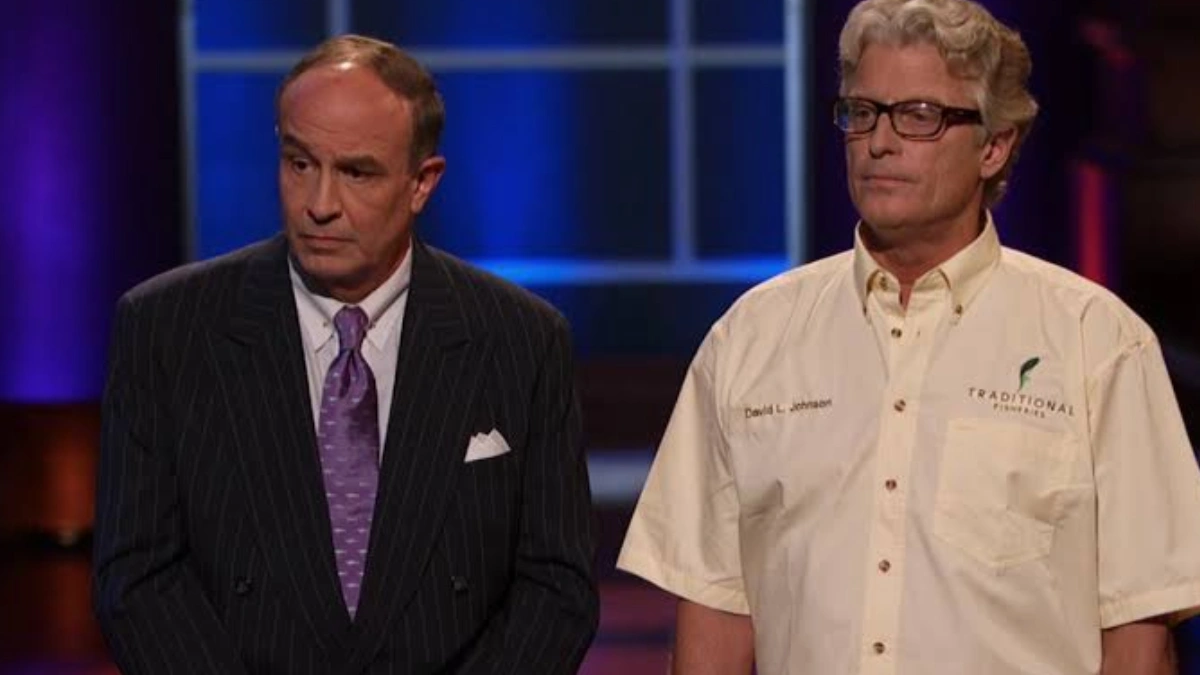
For years, the invasive lionfish had been damaging marine ecosystems across the Caribbean and coastal Florida. On Shark Tank Season 4 Episode 20, Gary Groomes and Dave Johnson, founders of Traditional Fisheries, believed they had found a way to control the growing problem.
Instead of treating lionfish as a nuisance, they turned it into a marketable seafood product. By harvesting the invasive species for human consumption, they hoped to protect native marine life while creating a sustainable seafood business.
Gary and Dave asked the Sharks for $225,000 in exchange for 25% equity in Traditional Fisheries. Would the Sharks support a business that combined environmental conservation with the seafood industry?
About Traditional Fisheries
| Category | Details |
|---|---|
| Business Name | Traditional Fisheries |
| Founders | Gary Groomes, Dave Johnson |
| Industry | Sustainable Seafood & Environmental Conservation |
| Product | Lionfish harvesting for human consumption |
| Investment Asked | $225,000 for 25% equity |
| Deal Status | No Deal |
| Valuation | $900,000 (at the time of Shark Tank pitch) |
Gary Groomes and Dave Johnson were commercial fishermen and conservation advocates who believed the growing lionfish invasion could be tackled by creating consumer demand for the species.
They started Traditional Fisheries to help control the invasive lionfish population in the Caribbean Sea and along the coasts of Florida.
The lionfish was native to the Pacific Ocean, primarily Indonesia, and was also a popular aquarium fish. Lionfish first appeared in coastal Florida during the 1990s, and many experts believe lionfish entered Atlantic waters after aquarium owners released unwanted fish into the ocean.
The lionfish was venomous and had no natural predators in the southern USA and Caribbean waters. Although lionfish have venomous spines, the venom is neutralized once the spines are removed, making the fish completely safe to eat. This led to rapid population growth and adversely affected native species such as grouper and snapper.
Traditional Fisheries Shark Tank Pitch
Gary Groomes and Dave Johnson entered the Tank seeking $225,000 for 25% equity in their company.
They described the lionfish as an “environmental terrorist,” explaining that since its accidental introduction about 20 years earlier, it had become the second most common species in the Atlantic and Caribbean oceans.
They explained that with no natural predators and a strong appetite for commercial fish like snapper, lionfish posed a serious threat to the ecological balance. Their solution was to repair the damage by turning lionfish into a marketable seafood dish.
The founders explained that lionfish has mild, white, flaky meat comparable to snapper or grouper, making it a suitable seafood option for consumers.
Daymond John asked how the fish, which lived in caves and reefs, could be harvested on a commercial scale. Gary explained that lionfish had to be speared, and the company had contracted with spearfishermen to supply their catch.
The founders also shared that the business had generated approximately $12,000 in sales during the previous year.
What Made Traditional Fisheries Unique?
Traditional Fisheries stood out because it combined environmental conservation with sustainable seafood production.
- Harvested invasive lionfish for human consumption.
- Helped protect native fish species and coral reefs.
- Partnered with spearfishermen to source lionfish.
- Created economic incentives for removing an invasive species.
Did Traditional Fisheries Get a Deal on Shark Tank?
Robert Herjavec believed the biggest challenge would be educating consumers about eating lionfish. He felt that without demand, supply would not matter, so he was out.
Kevin O’Leary compared lionfish to lobster, explaining that lobster had taken decades to become a delicacy. He believed lionfish would take too long to gain market acceptance, so he was out.
Daymond John said the educational challenge would cost far more than the requested investment, so he was out.
Mark Cuban agreed with Daymond’s concerns and also declined to invest.
Lori Greiner appreciated the environmental mission but said she could not see consumers rushing to eat lionfish. She became the final Shark to decline, and Gary and Dave left the Tank without a deal.
Traditional Fisheries Shark Tank Update
The Sharks believed consumer education would be the company’s biggest obstacle. Building a market for lionfish required significant marketing, while harvesting the fish remained difficult and expensive.
Without a Shark investment, Traditional Fisheries was unable to continue its mission of reducing the invasive lionfish population in the Atlantic and Caribbean.
The company went out of business within a few months of its episode airing. Its website eventually became inactive, and its social media accounts were no longer updated after 2011.
Legacy of Traditional Fisheries
Although Traditional Fisheries ultimately failed, the founders’ vision proved to be ahead of its time.
Over the following years, awareness of lionfish as a sustainable seafood option gradually increased. By 2021, lionfish fillets had become available through major retailers such as Publix and Whole Foods, as well as dozens of online seafood suppliers.
While Traditional Fisheries did not survive long enough to benefit from the growing market, its original concept of turning an invasive species into a commercially viable seafood product was eventually validated as consumer acceptance increased.
Where Can You Buy It?
Traditional Fisheries went out of business a few months after its Shark Tank episode aired, so its products are no longer available for purchase.
The company’s official website no longer exists, and its social media pages have remained inactive since 2011. However, lionfish fillets are now available at retailers such as Publix and Whole Foods, as well as from dozens of online seafood suppliers.
Posts About Traditional Fisheries on Shark Tank Blog
Want to learn more about how lionfish first entered the Tank and why the Sharks were skeptical? Read our detailed recap of Lionfish in the Shark Tank.
Quick Summary
- Gary Groomes and Dave Johnson sought $225,000 for 25% equity to grow Traditional Fisheries, a company focused on harvesting invasive lionfish as sustainable seafood.
- Despite praising the environmental mission, all five Sharks passed because they believed creating consumer demand for lionfish would require too much time and money.
- Traditional Fisheries eventually closed its doors, but the founders’ concept was later validated as lionfish fillets became available through retailers like Publix and Whole Foods.
Check out other Shark Tank Season 4 Episodes.
Curious about the other businesses featured in Shark Tank Season 4 Episode 20? Explore more updates and see which ideas made a splash in the Tank.

















I saw you on Shsark Tank…Sorry you didn’t get and one to help you… Florida Fish and Wildlife are giving a T shirt to anyone who submits a picture with a Lion Fish..
check out the Florida Fish ANd Wildlife conservation Commission. Tell then about the good taste of the lion fish…It might lmake a differfence… GOOD LUCK..
Whole Foods is selling lionfish now : http://www.sun-sentinel.com/features/deals-shopping/sfl-whole-foods-market-to-sell-invasive-lionfish-starting-wednesday-20160524-story.html
I advise you to set up an incentive for people to spear these fish for recreation. If you can put a
secret tattoo or mark on a few of these fish and then offer a large money prize to whoever spears a fish
with the marking you may find that it could become a really popular sport or hobby. It could be like
the movie Charlie And The Chocolate Factory where everyone was buying as many chocolate bars as they could so that they could find the golden ticket and win a prize. I really think this idea could work
if the prize money was motivating and you do a good job marketing the idea.
The Florida Wildlife Commission has prizes for the most lionfish caught per year
You don’t need teach people how good is lion fish, I can buy as many lion fish as you can catch. It will save you $225,000 for the Advertisement. Please contact me for the business.