

On a trip to Singapore, Fawn Weaver came across a headline in The New York Times International Edition that stopped her cold. It referenced a “hidden ingredient” behind Jack Daniel’s, an enslaved man whose contributions had largely been erased from public memory.
That moment eventually led her to build a $1 billion whiskey empire.
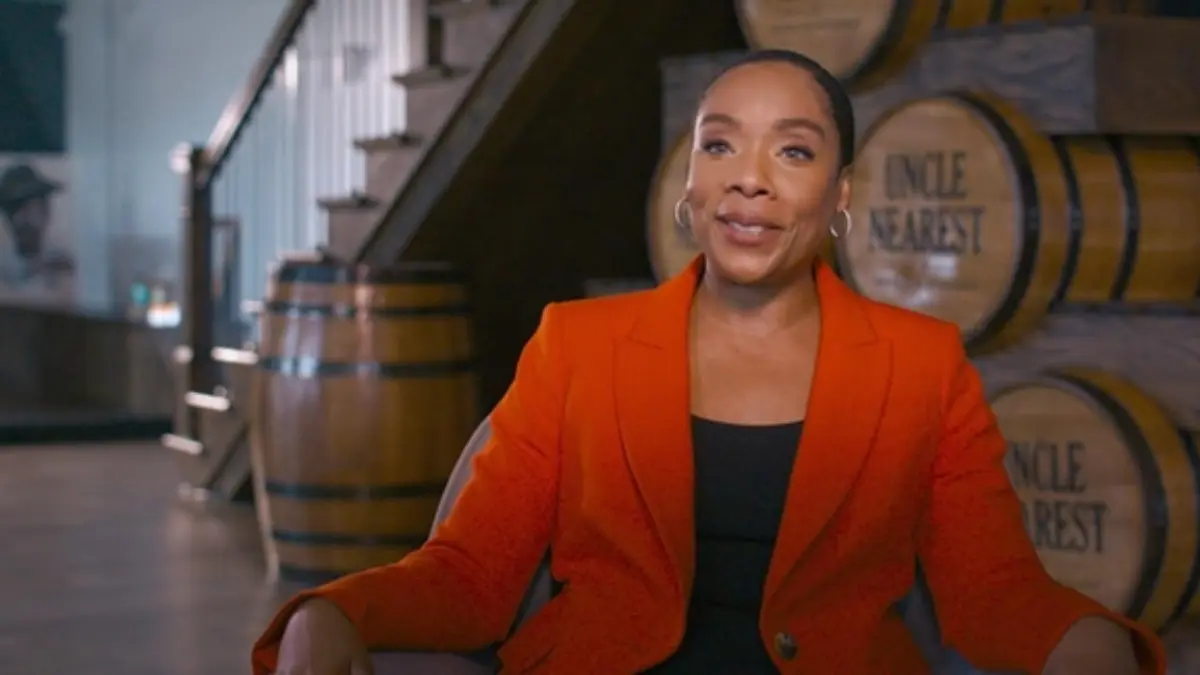
Years later, when Fawn Weaver appeared as a guest investor on Shark Tank Season 17, Episode 12, she wasn’t just another entrepreneur. She founded a billion-dollar brand built on uncovering that very story.
The internet, as it often does, had already decided what the story meant. But Fawn Weaver saw something else entirely. She noticed the photograph with the article and wondered why someone would place a man at the center who wanted to hide.
That question would become the foundation of a company.
The Story That Built the Brand
The man was Nearest Green, now known as the first African American master distiller and Jack Daniel’s teacher. For Fawn Weaver, sharing her story was a chance to build a business on being genuine.
In an industry built on heritage and stories, she learned something many newcomers overlook. You cannot create a legacy from scratch. You can only find it out.
This is how Uncle Nearest Premium Whiskey got started, and it eventually turned into a billion-dollar business.
A Founder Shaped by Instinct, Not Convention
Fawn Weaver’s business approach started early in her life. She had no background in distilling, no inherited brand, and no foothold in the spirits industry.
As a kid, she did not like to read fiction for school. She liked to read and write about real events. Fawn Weaver left her house at 15 and started her public relations company by 18.
She always asked questions and tried to find out what was true when she was little. This helped her to come up with ideas for branding.
Fawn Weaver does things differently from many businesspeople. She thinks about the story she wants to tell people about her company, then about the business plan. She sees herself as a storyteller first, then a businessperson.
“I live by the why,” she has said in interviews. For her, the “why” is closely tied to history.
Building a Brand Without Asking Permission
Starting a whiskey company is challenging. The market is ruled by established brands with large distribution networks and much bigger marketing budgets than most startups.
Fawn Weaver decided not to compete in the same way as the big brands.
Instead, she focused on her strength, public relations. Before her whiskey was sold in stores, she entered it in competitions worldwide and quietly collected awards. By the time customers saw the brand, it already had credibility.
She also changed how she approached distribution. Instead of fighting the system, she worked with distributors as logistics partners and focused on building consumer demand. Her goal was to create enough momentum that the industry had to notice.
Her strategy worked. The brand grew through what she calls earned media.
The whiskey industry depends heavily on storytelling. A bottle represents its place, how it was made, and the people behind it.
Fawn Weaver knew that authenticity was essential. It was the heart of her business.
She says lots of people drink popular brands at first, but then they get bored once the excitement fades. These brands need a story to keep customers loyal.
Uncle Nearest was different. Its story was real. This difference helped the brand connect with people in a way that felt both fresh and deeply rooted.
Scaling Without Losing the Core
As the company expanded, Fawn Weaver balanced ambition with discipline.
She pushed for national distribution early on and helped scale Uncle Nearest into one of the fastest-growing independent whiskey brands in the world, with a valuation that surpassed $1 billion.
She invested $50 million in a distillery designed for both production and visitor experience, calling it a “destination.”
Even as the business grew, she often turned down partnerships that could weaken the brand’s mission. She says her main goal is to make sure Nearest Green’s legacy lasts.
“I’m not living for my obituary,” she has said. “I’m building his.”
Fawn Weaver’s leadership style is unconventional; she likes to hire intrapreneurs. They think like they own the business but work for her company.
She tells what she wants and lets them figure out how to do it.
Fawn Weaver doesn’t support the idea that leadership has to follow a set formula. Trends and management theories may change, but she believes authenticity always matters.
“Be you,” she advises. “Don’t morph into what the world says a leader should be.”
A Different Kind of Success Story
It is tempting to frame Uncle Nearest as a classic entrepreneurial success. A founder identifies an opportunity, builds a brand, and reaches it, but that view misses the real point.
The company’s success is about restoring a forgotten story. It stands where business and history meet, making storytelling both a moral choice and a business advantage.
Fawn Weaver did not start with a product or an industry advantage. She started with a question. From that, she built a company powerful enough to ensure that Nearest Green’s story would never be forgotten again
In the end, she did not invent something new. She uncovered something real and built a billion-dollar empire around it.