
Warren Buffett is often regarded as one of the most accomplished investors in history. For decades, he turned steady decision-making and long-term thinking into extraordinary results. His reputation has grown well beyond Wall Street, making him one of the most recognized figures in business.
He recently stepped down as CEO of Berkshire Hathaway (as of January 1, 2026) and is no longer running the company’s daily operations. Yet he still remains chairman of the conglomerate he helped build into one of the largest companies in the world. His departure from the CEO role marks a major shift for Berkshire.
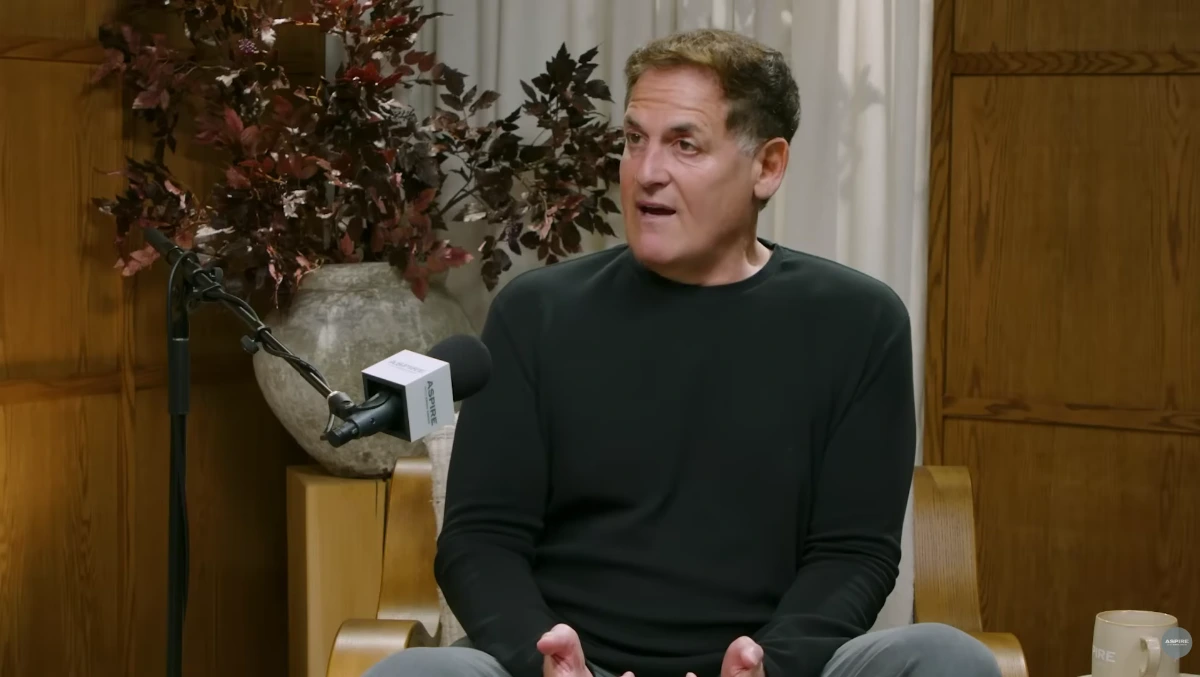
Mark Cuban says Berkshire may need to rethink one of the very businesses that built its empire.
Mark Cuban On Berkshire’s Insurance Strategy and Buffett’s Exit
As Berkshire moves into its next chapter, many investors are wondering what the shift will mean. Leadership changes tend to bring new priorities and a fresh approach.
Mark Cuban has weighed in with advice for Berkshire and for investors more broadly. He believes this moment calls for clear thinking and smart decision-making. The bigger question is whether his perspective offers useful guidance for people looking to strengthen their own financial position.
Mark Cuban Questions Insurance Company Business Models
In a recent post on X, Mark Cuban encouraged investors to take a closer look before investing in insurance companies.
The billionaire entrepreneur and former Shark Tank investor raised concerns about how large insurers operate. He argued that many of them shift financial pressure onto independent doctors, pharmacists, and even patients.
Cuban said major insurance firms and their subsidiaries often enjoy steady revenue and predictable costs backed by the government. Meanwhile, he claimed, the real uncertainty is pushed onto the independent providers and the people relying on care.
Rethinking Investments in Health Insurance
The former Dallas Mavericks owner made it clear that he sees an uneven playing field in the health insurance world. In his view, independent doctors and smaller providers do not have the leverage to stand up to large insurance corporations.
He went a step further and suggested investors rethink where their money is parked. He encouraged people to look at the funds that hold major insurance stocks and consider shifting their retirement accounts and savings to other options.
Although insurance companies argue that deductibles help manage risk and keep premiums lower.
Mark Cuban Urges Berkshire to Rethink Health Insurance Bets
In the same post, dated February 2, 2026, Mark Cuban gave his two cents on the Berkshire situation. He wrote, “I hate to say this because I love Warren Buffett (I know he retired), but Berkshire Hathaway needs to reconsider their healthcare insurance investments.”
Buffett has often explained that insurance “float” helped fuel Berkshire’s rise. Float is the premium money insurers collect and hold before paying claims. That cash can be invested in the meantime, and Buffett has said it played a big role in building the company.
In August 2025, Berkshire disclosed it had bought 5 million shares of UnitedHealth Group. The purchase stood out given the wider criticism of large health insurers.
Berkshire is also an insurance heavyweight itself. It owns GEICO, National Indemnity Company, and MedPro Group, among others. Insurance is not a side business for Berkshire. It is one of its core foundations.
Can Falling Insurance Stocks Spark Reform?
In a blunt section of his post, Cuban argued that even if the Department of Justice avoids digging into insurer behavior, investors could force change. He suggested that a sharp drop in insurance stock prices might pressure companies to rethink how they operate.
This is far from his first swipe at the industry. Last summer, he criticized rising health insurance deductibles and called the practice a scam, saying it shifts more of the burden onto patients.
On August 18, 2025, Cuban took to X and tweeted, “The real health insurance scam is that they know as their deductibles go up, fewer people can afford to use their insurance. Which means they don’t have insurance. Despite having to pay premiums.”
Cuban Calls for Breaking Up Big Insurers
More recently, Cuban took his criticism a step further during a panel discussion. He said large insurance companies have grown so powerful that they should be split apart.
Speaking at the Slopes Summit in Salt Lake City in February 2026, he argued that these firms have become too large and too distant from the people they serve. In his words, they are simply too big to care.
And Cuban is not just commenting from the sidelines. He has skin in the game. In 2022, he helped launch Cost Plus Drugs, an online pharmacy built to sell medications with clear pricing and smaller markups.
The company was set up as a public benefit corporation. It still aims to make money, but it also has a stated mission to improve access and lower drug costs. That background shapes how Cuban views the broader health insurance and healthcare system.
Why Buffett Tells Investors to Ignore the Noise
Buffett has often cautioned everyday investors against chasing headlines or trying to forecast which industries will boom next. He believes that most people do not need to outsmart the market to build wealth.
His long-standing recommendation is straightforward. Invest in a low-cost fund that mirrors the S&P 500 and keep contributing over time.
He made this case decades ago, arguing that a disciplined investor who buys an index fund regularly can outperform many professionals.
Investing Requires More Than Hot Takes
If you are about to start investing, do not let a viral post guide your choices. Big names can share strong views, but your money deserves more than a quick reaction to someone else’s opinion.
You might agree with Cuban’s concerns. That still does not mean copying his suggestions is the right move for you. Your goals, time horizon, and risk level may be very different from his.
Take time to understand how investing works. Read widely. Consider speaking with a financial advisor who can review your situation and help you build a strategy that fits your life, not someone else’s headline.