

Most of us adore our dogs, but taking a big one on a trip can feel like pure chaos. Airlines usually push anything over a certain weight straight into cargo. This part worries a lot of people because that part of the plane isn’t always the safest place for a pet.
The only people who get around that rule are the ones who can afford to book a private jet without blinking. This leaves everyone else stressing over how to move their four-legged buddy from one place to another. RetrievAir sought to solve exactly this problem.
What Is RetrievAir?
Benton Miller grew tired of the constant hassle of trying to bring his two Labradors on flights. Many trips dishearteningly ended with the dogs left behind, which pushed him to rethink the whole experience.
He went on to create RetrievAir, an airline built around pet travel. In RetrievAir, dogs of any size and even cats can stay in the cabin with the person they belong to.
Miller shared with Business Insider that pet travel in the United States has grown into a multi-billion-dollar space and still has plenty of room to expand. A spot on a RetrievAir flight typically costs about $775, which places it closer to a premium travel option than a standard ticket.
RetrievAir Shark Tank Recap
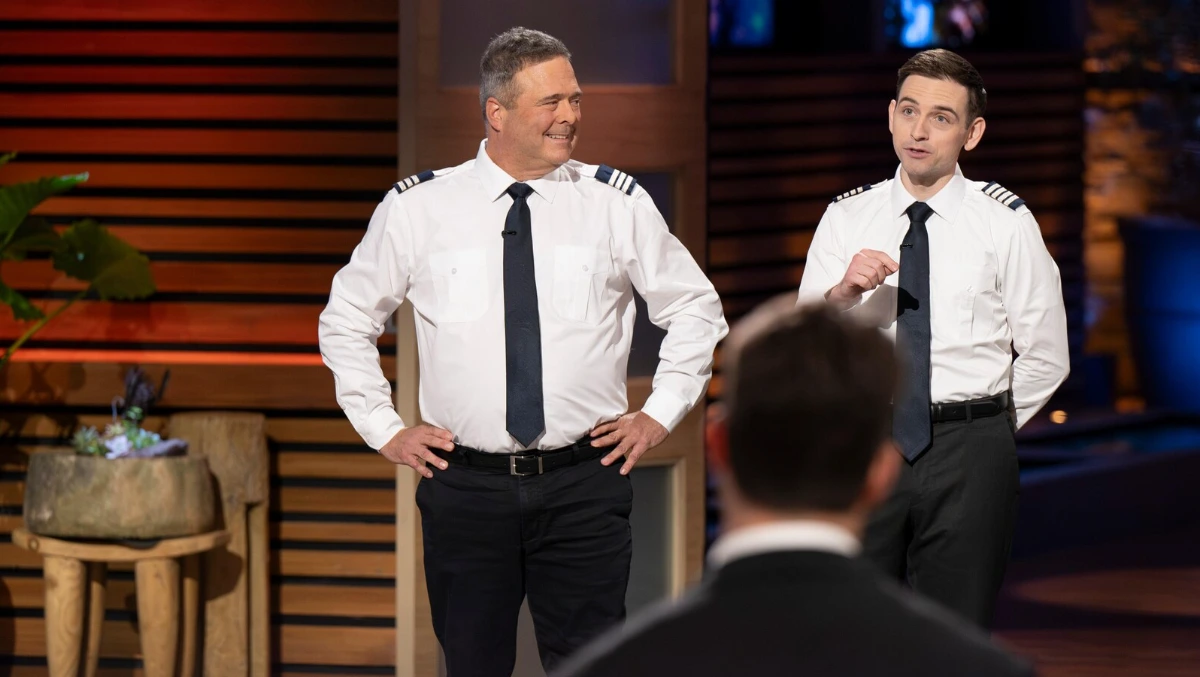
Miller pitched his idea on Shark Tank Season 17 Episode 4 and ended up landing a deal with Alexis Ohanian. The Reddit co-founder agreed to invest $776,000 for a 15% stake in the company.
Miller explained that Ohanian brings experience from building fast-growing tech companies, so he understands the pressure of high spending and rapid scale. RetrievAir rolled out in May 2025 and passed the half-million mark in bookings within the first few weeks.
Kevin O’Leary raised concerns about the company’s weekly costs during the pitch. They were around eighty thousand dollars at the time of the pitch. Miller shared that demand has grown, the flight network has expanded, and certain routes, such as New York to Florida, are now filling every seat.
Pet-centered charter flights aren’t a brand-new idea. BarkAir and K9 Jets already run shared trips designed for people traveling with their animals. Unlike BarkAir, RetrievAir uses a per-seat model that focuses on affordability and accessible routes.
Miller said that bringing Ohanian into the mix, along with a setup that focuses on keeping operations tight and efficient, has given RetrievAir a stronger foundation as it scales up.
The Shark Tank Airline That Lets Big Dogs Fly in Cabin
RetrievAir works very differently from a standard airline. You book your trip online, then head to a small private airport about forty-five minutes before departure. There is no busy terminal to fight through. The security process is quick and set up with pets in mind.
Animals stay with their owners instead of being pushed into carriers or squeezed under a seat. The company uses a chartered Embraer E135. The plane was originally built with 50 seats but reconfigured to hold 30, giving everyone far more space to move around.
Dogs over forty pounds get their own paid seat beside their owner. Smaller pets can rest on a lap or settle at their person’s feet. Every seat includes a built-in leash point to keep each animal secure during the flight.
All dogs need to be up to date on their Rabies shots before they can board. Human passengers have their luggage covered in the fare. They’re offered snacks along with both alcoholic and non alcoholic drinks.
Miller also mentioned that the steady hum of the engines tends to soothe most dogs, and many of them nap through the trip. Owners with nervous pups are encouraged to bring something familiar, like a favourite toy or blanket, so the dog feels more at ease.
Flying Routes and In-Air Experience
Each flight has a crew member who knows how to handle common pet behaviors. Their job entails keeping the animals calm, hydrated and happily snacking.
The crew brings the plane down about every two hours so pets can get a quick bathroom break and the cabin can be tidied up. For example, a trip from New York to Denver would take a break in Chicago before heading out again.
It’s not as quick as a straight flight, but the pause works in two helpful ways. It keeps the animals comfortable and avoids long stretches without a break. It also gives RetrievAir the flexibility to offer the journey as one full trip or as separate segments, which opens the door to more travelers who might only need part of the route.
Balancing Convenience with Cost Saving Airport Choices
Benton Miller honestly clarified that some days and weeks turn up a considerable profit. But he also acknowledged that they still haven’t filled 50% of their seats across all routes.
Still, he intends to keep the service reachable for regular pet owners. That means keeping prices on the friendlier side and adding more destinations.
The average trip cost as of now in 2025 is around $775. Some of the shorter trips that are expected to be added in 2026, like New York to Washington, DC, are listed at about $300. Using smaller airports on the outskirts keeps the operating costs down.
Miller admitted that these airports cause inconvenience for some travellers, but the choice of airports helps keep costs down. Another pro is that using spots that sit a bit outside major cities are quieter and serve a wider region.
He gave the example of Waukegan National Airport in Illinois. It’s about 45 minutes from Chicago and the same distance from Milwaukee. This gives them access to two major areas at once.
Seattle’s Rising Demand and Cross-Border Interest
RetrievAir isn’t crossing borders yet, though the team expects to add international routes down the road. Miller noted that Seattle is one of the most common requests they get.
“There are more pets than kids in the city. Seattle attracts Canadians, especially in the Vancouver area. These people may have a vacation home in Arizona or California and need our service,” he added.
Seat Layout, Cabin Setup and Safety Measures For Pets
RetrievAir partners with RVR Aviation to run its Embraer jet. RVR supplies the pilots, crew and upkeep, while Miller’s group focuses on the flight schedule and all customer bookings.
The cabin is configured with three seats per row. One seat sits alone on the left side labeled A, and the right side has B and C together. Miller said dogs up to 40 pounds can stay within their owner’s seat space and are usually placed in the A seats by the window.
Larger dogs are given their own spot on the B and C sides of the cabin. The dog sits by the window, and the owner takes the aisle. This setup helps prevent a dog from leaning over to check out another pet nearby.
Miller said the crew takes steps to separate animals that might not get along. Boarding starts from the back, so pets have fewer close encounters while settling in. If the staff sees signs that a dog may not behave safely around others, the pair is not allowed to board.
He explained this by saying, “There’s a bit of an honor system when booking, that’s when we ask for the temperament of the pup. We will talk with the owner if the pet is not friendly, but if we think the pup may be too aggressive, we will ask them not to fly and refund their ticket.”
RetrievAir Could Reshape Pet-Friendly Air Travel
Traveling with pets has never been simple, and RetrievAir steps into that gap with a fresh angle. The model isn’t perfect yet, though it solves a problem that has frustrated travelers for years.
If the network grows and pricing stays steady, the airline has a real shot at becoming the go-to choice for travelers who want their pets by their side, not in a crate.


















very informative articles or reviews at this time.