Shark Tank Season 17 Episode 10
Shark Tank Season 17 Episode 10 featured bold founders, tough negotiations, and multiple deals. Here’s a full breakdown of the pitches and outcomes.

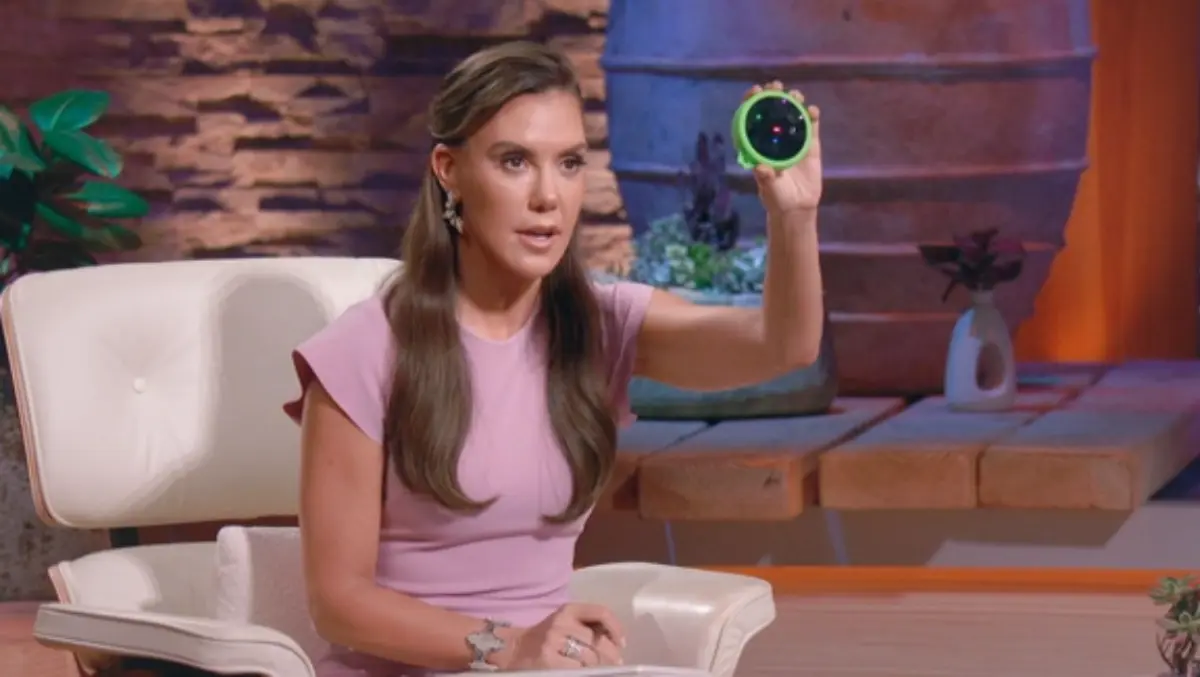
Shark Tank Season 17 has finally appeared to have picked up weekly momentum in 2026, as this is the third episode in the month of January. Shark Tank Season 17 Episode 10 graced our screens on January 21, 2026.
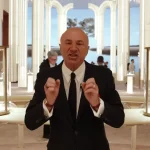
The Sharks for the episode were Kevin O’Leary, Alexis Ohanian, Kendra Scott, Lori Greiner, and Daymond John.
Shark Tank Season 17 Episode 10 – The Shark Investors and Entrepreneurs
Season 17, episode 10 of Shark Tank featured a tight lineup of founders with ideas aimed at real-life problems. The Sharks hear pitches that range from social tech to everyday accessories.
The episode includes an e-compass that helps people find friends nearby, a dating app that ditches endless swiping, customizable screen protectors made to fit different preferences, and an app that makes organizing soccer pick-up games simple. Each business comes in with a clear vision and plenty at stake.
Below is a closer look at the companies that stepped into the Tank and what they brought to the table.
1. Crowd Compass
Crowd Compass is best known for creating the digital festival compass, a tool built for staying connected when phones stop working. Using mesh radio technology, it lets you and your friends form a private, encrypted network. You can message each other and see where everyone is, even with no cell service anywhere nearby.
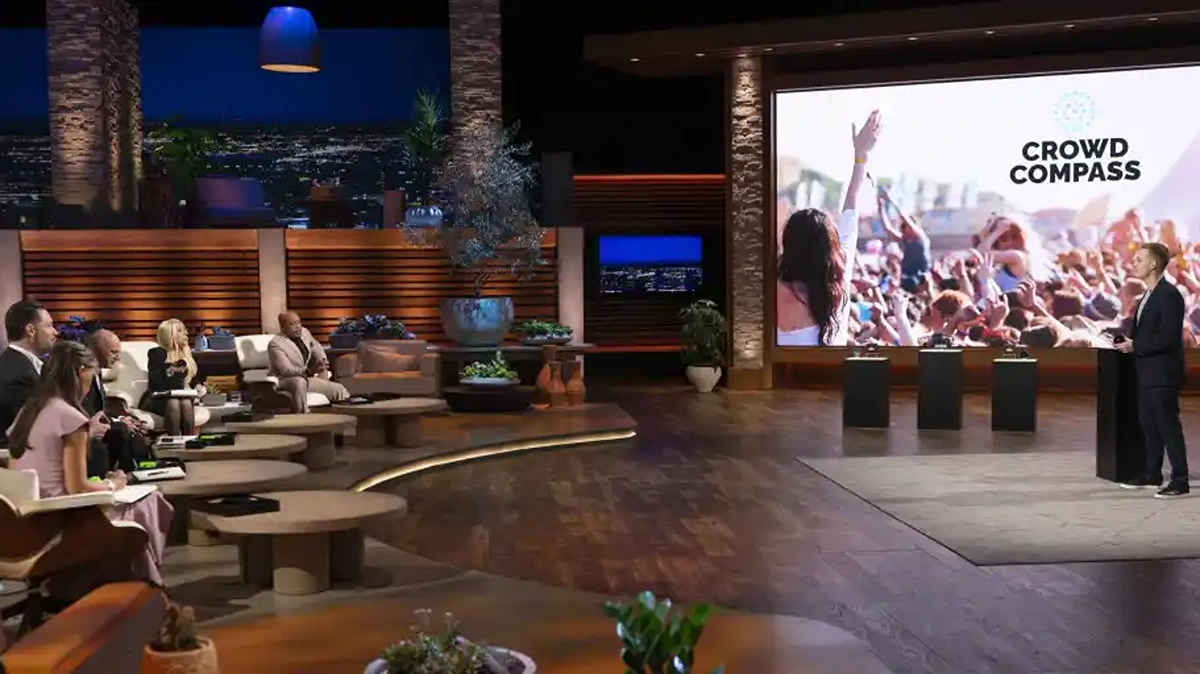
Built by founder Chris Dimoff, the platform is designed to handle both crowded events and far-off outdoor trips with equal ease. Along with helping individuals stay connected, it also gives event teams live data they can use to monitor and manage what is happening on the ground.
It helps teams track crowd movement, improve safety, respond faster to emergencies, and manage logistics without leaning on traditional networks.
The device works without any network and still delivers secure connections and accurate GPS tracking. After a recent redesign, its range now stretches up to three miles. Battery life holds up for about 24 hours, and the option to swap in fresh batteries means it can keep going even when there is no power source in sight.
Crowd Compass has also tightened up its distance tracking and rolled out a companion mobile app. Users can tweak settings and send messages through the network, even while offline. Practical add-ons like protective cases and retractable lanyards round out the system, shaped by real-world use rather than theory.
Crows Compass Shark Tank Pitch
Chris Dimoff came to the Tank seeking $150,000 in exchange for 10% equity. Kevin opened the round of questioning by asking how big the market for this product is. Chris revealed he has $384,000 in sales in just 14 months. The numbers further warmed up the Sharks. When Chris revealed that his device retails at somewhere between $179 – $199, the Sharks were flabbergasted at how exorbitant it was.
| Aspect | Details |
|---|---|
| Entrepreneurs | Chris Dimoff |
| Featured Product | Locating Device |
| Deal Status | Deal Secured |
| Sharks Who Invested | Kendra Scott and Daymond John |
Kendra suggested a rental-based business model because of how expensive the product is. It was revealed that Crowd Compass has a direct competitor, but Chris did not hold back in breaking down the ways in which his product was better than its competition.
Kevin was the first one to throw in an offer. He offered $150,000 in exchange for 20% equity. On top of that, he wanted $10 dollars on every unit until he gets back 3x of his initial investment.
Alex Ohanian backed out first, saying the product is in its very early stages for him to invest. Lori Greiner also backed out on the same grounds. Daymond suggested going in with Kendra since he knows the organisers of festivals like Rolling Loud. Upon hearing their offer, Mr. Wonderful lowered his equity ask to 15% to keep up in the race.
Upon hearing Kendra and Daymond’s possible collaborative deal, Mr. Wonderful lowered his equity ask to 13%. Kevin could not help but swear when Chris suggested 5% equity instead.
Chris counteroffered $150,000 for 15% equity to Daymond John and Kendra. In the heat of discussions, Mr. Wonderful dropped his $10 royalty ask to $5. After a small back and forth, Chris shook hands with Kendra and Daymond for $150,000 in exchange for 20% equity.
2. Left Field
Left Field takes a more grounded approach to dating by focusing on shared real-life connections instead of swipe fatigue. Matches are shaped by common threads, whether that is overlapping social circles, familiar places, or similar backgrounds. The experience feels more like a natural introduction than a random pairing.
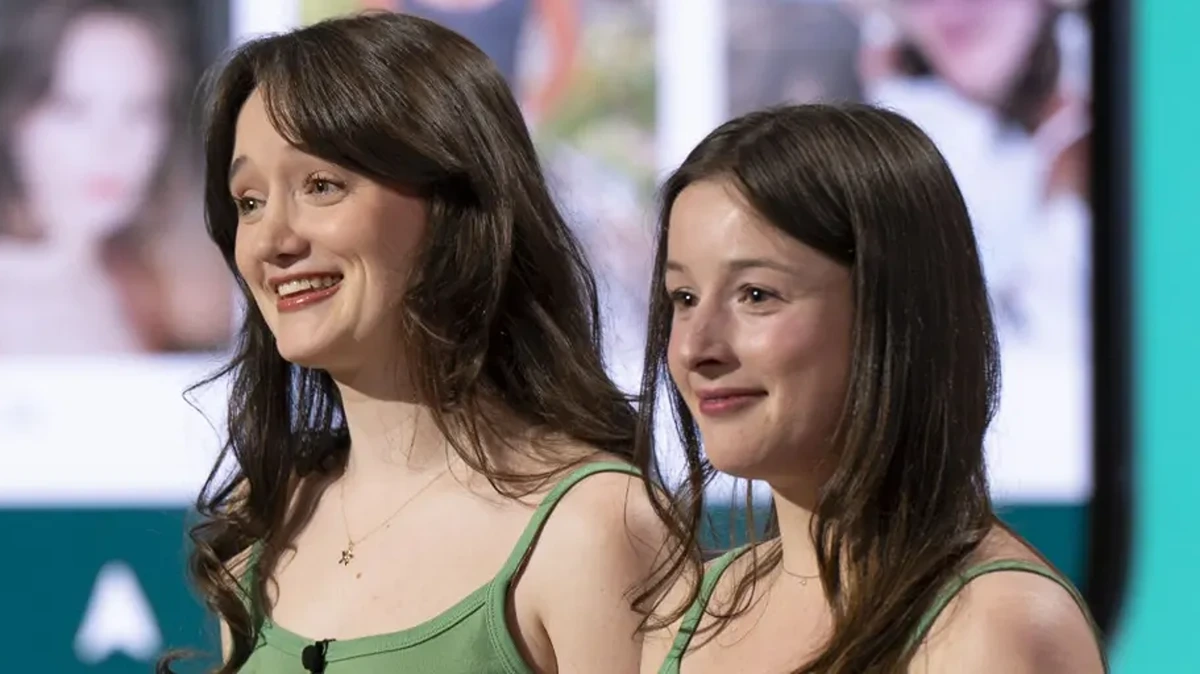
When two people are matched, the app adds context. A brief note explains the shared link and why the pairing was made, giving users a clearer reason to start the conversation.
The app was founded by Brown alumni Samantha Martin and Kate Sieler, alongside former Y Combinator founding engineer Sean Miller. Since launch, Left Field has helped thousands of people make genuine connections and find long-term relationships.
Kevin O’Leary asked the founders about what separated their app from other dating apps in the market. And more importantly, he asked them their plan if any of the big dating apps tried to steal their proximity feature. The duo reiterated that their application follows a wider shift of people seeking more in-person contact with respect to dating.
They further solidified their model by adding that the big guys would not be able to replicate their ideas because that would require them to change their whole business models.
Left Field Shark Tank Pitch
The duo sought $200,000 investment in exchange for 5% equity. The numbers put their valuation at $4 million. Daymond was the first one to tap out because he considered himself out of touch with the current dating environment.
| Aspect | Details |
|---|---|
| Entrepreneurs | Samantha Martin and Kate Sieler |
| Featured Product | Dating App |
| Deal Status | Deal Secured |
| Sharks Who Invested | Alexis Ohanian and Kendra Scott |
Then Lori appreciated their well-articulated pitch, but she found their valuation a bit excessive, given the fact that they did not have any sales at the time of the pitch. She wished them the best and tapped out.
Kevin found the duo rather perky, and hence he offered them $200,000 for 20% equity first. He feared his share being diluted if the company scaled up more in the future.
Ergo, he also offered them $200,000 for 10% equity with a ratchet clause, which ensures his equity is not diluted in the future. Lori backed Kevin, saying his second offer is a good one. Kendra also pitched in with Alexis, asking for 15% equity.
Samantha and Kate countered with $200,000 for 8% equity, along with 4% in advisory shares. To Kevin’s dismay, Samantha and Kate shook hands with Alexis and Kendra on that.
3. Screen Skinz
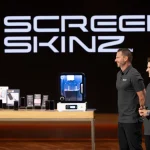
Screen Skinz turns a basic phone accessory into something you can actually make your own. Its protectors show artwork only when the screen is off, then vanish once the display lights up. You still get everyday protection, just without anything getting in the way while you use your phone.
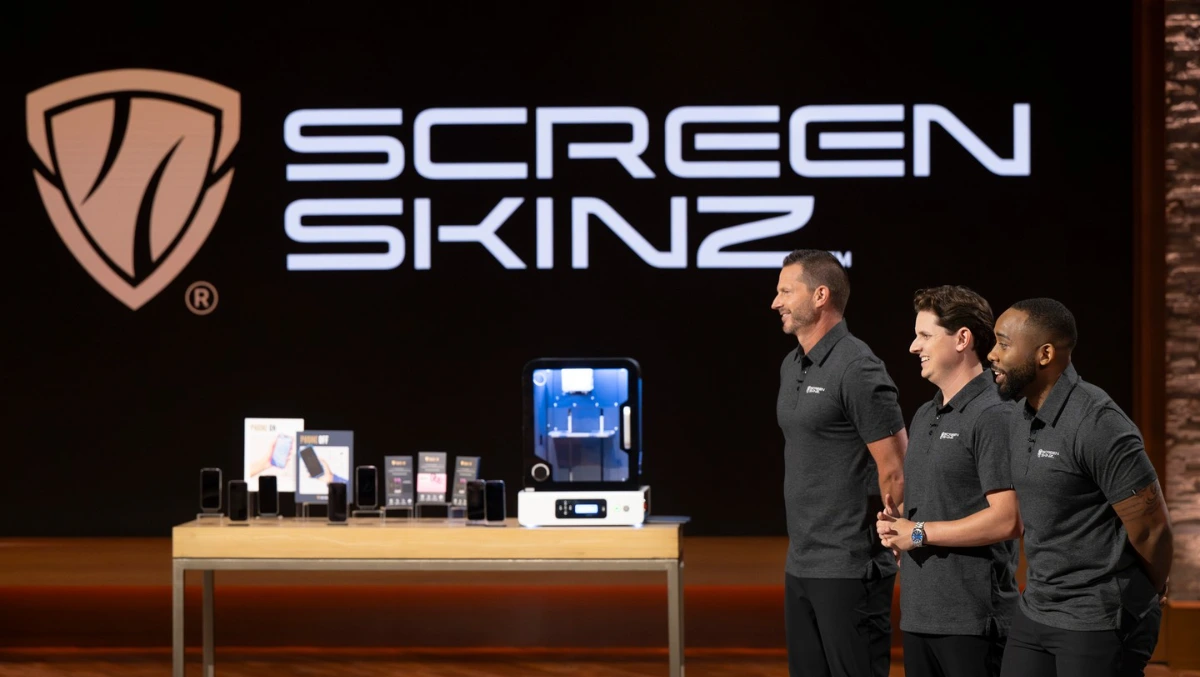
Started in 2022, Screen Skinz operates out of Houston, with production based in Lakeland, Florida. The line-up includes made-to-order designs along with licensed options tied to brands like the NFL, MLB, and Sanrio.
The idea has picked up interest from established brands in the accessories space. That attention has led to multiple partnerships. Screen Skinz is changing how people view screen protectors. What used to be purely functional now carries a personal touch.
Screen Skinz Shark Tank Pitch
Clay, Rashaun, and Wayne walked on stage seeking $300,000 for 7.5% equity. Kevin O’Leary asked them about their sales numbers. 2022 was their first year in business, and since then, they have sold over 28,000 units and $850,000 in sales. Their prices range from $30 – $50 and it costs them $3 to make.
| Aspect | Details |
|---|---|
| Entrepreneurs | Clay Canning and RaShaun Brown |
| Featured Product | Screen Guard |
| Deal Status | Deal Secured |
| Sharks Who Invested | Kevin O’Leary and Alexis Ohanian |
Kevin considered them a crapshoot, but since it was a big market, he offered them $300,000 for 20%. Lori and Daymond tapped out because they considered the business to be at a very nascent stage.
Kendra loved their margins and recommended that they not need a Shark right now. In a rare twist of events, Alexis matched Kevin’s exact offer because he liked their drive. Kevin O’Leary took the classic Shark Tank fight in good spirit and changed his offer.
He asked for 10% equity and $1 dollar until he has received 3x his investment. After that, the royalty goes away. The Screen Skinz team asked Kevin and Alexis if they could work together, to which they agreed. Kevin and Alexis put in a combined offer of $300,000 for 15% stake and $1 royalty on every unit sold until they have recovered $900,000.
Clay, Rashaun, and Wayne took a moment to think it over, and everyone shook hands on that.
4. Street FC
Soccer pulls in huge audiences. Still, many city players struggle to find open fields or a group to join. Kyle Martino started Street FC to make casual games easier to find, even with limited time and space.
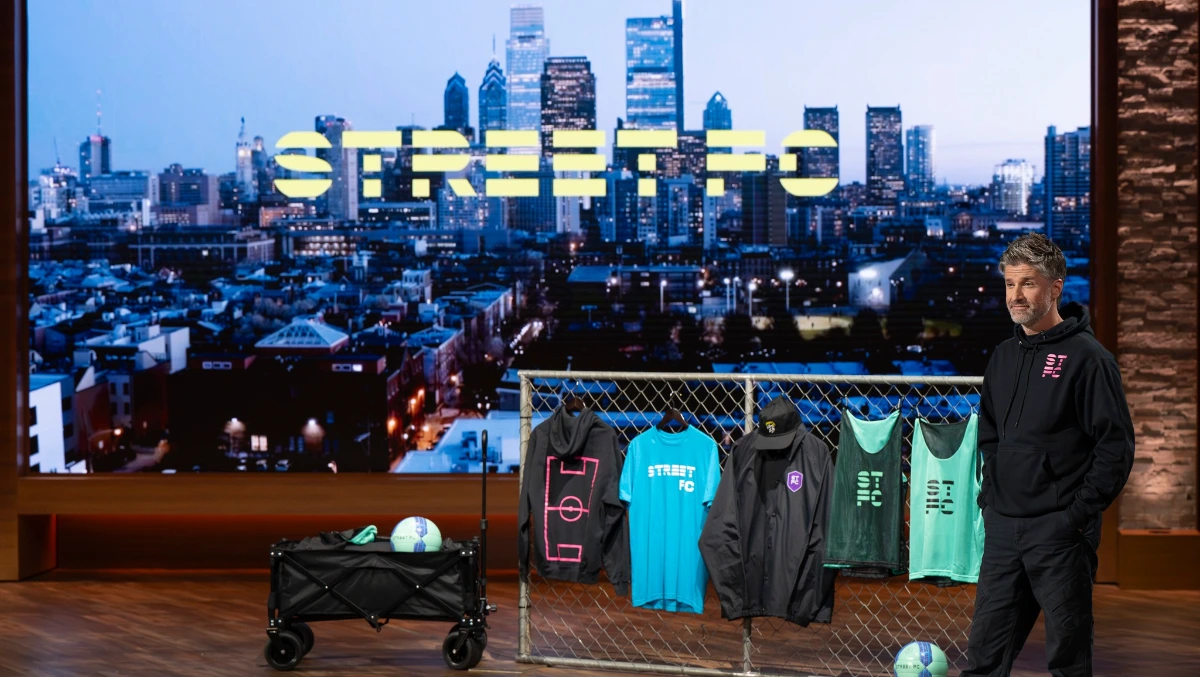
The concept launched in 2018 and slowly built momentum through word of mouth. Players looking for quick, competitive games found a format that worked. Street FC now runs games in cities like New York, Atlanta, Denver, Austin, Boston, Philadelphia, Las Vegas, and several areas across California. Anyone can jump into a nearby match or help bring the model to a new city.
The community has grown to more than 15,000 players. They are spread across 13 cities. Sessions last one hour and are broken into short four-minute games. Games are designed to keep the pace high and the commitment low. It is soccer designed to fit into everyday city life.
Street FC Shark Tank Pitch
Kyle came in seeking $250,000 for 2.5% of his company. That put the total valuation at an exorbitant $10 million dollars. When asked about the numbers, Kyle revealed that they did around $1 million in revenue in 2025. Street FC is expected to do 15,000 soccer games in 2025.
| Aspect | Details |
|---|---|
| Entrepreneurs | Kyle Martino |
| Featured Product | Popup Soccer Games |
| Deal Status | Deal Secured |
| Sharks Who Invested | Alexis Ohanian |
They have also opened up to launching their custom apparel soccer merch, along with plans for a league campaign. They also have a deal with Nike in their repertoire. Daymond was the first one to back out because of a similar experience in the past that did not go well.
Kendra also went out because this was not her area of expertise. Lori also followed suit on similar grounds. Alexis wanted to know more about the brand and wanted to know how the Nike dealership plays out.
Alexis offered $250,000 for 5%, and after a quick back-and-forth, they agreed on 3% equity + 2% advisory shares.
Update Segment
SwiftPaws reappeared in this episode with their business update. It offers exercise toys for dogs, initially appeared in season 13, and secured a deal with Lori Greiner.
Since then, they have done $6 million in lifetime sales. They used to be a D2C brand, and after Shark Tank, they are available on Amazon and Chewy. They have also launched two new flagship projects called Chase and Pounce.
Shark Tank Season 17 Episode 10 Raises the Bar in the Tank
There was a sense of momentum throughout the episode. Pitches moved briskly, decisions came without drag, and each segment felt earned. That steady rhythm made this one of the more watchable installments of the season so far.
The episode also showed a clear pull toward tech-driven ideas, community-focused platforms, and app-based start-ups.
Check out other Shark Tank Season 17 Episodes.
Wish to have a look at the previous episode of Season 17? Check out Shark Tank Season 17 Episode 9.