Highlights
- Amazon has allowed different companies to reach a large consumer base easily.
- Mark Cuban disapproves of investing in companies that sell heavily on Amazon.
- The Shark investor listed out his suggestions for tackling counterfeit issues on the online platform.
Amazon has transformed the way businesses reach consumers, becoming the backbone for countless startups and established brands. The changes in the business landscape owing to online platforms like Amazon are not second to anyone. In the past decades, several budding and established companies have moved online for increased consumer reach.
Mark Cuban’s Take on Amazon: Quick Facts
- Investor: Mark Cuban
- Platform in Focus: Amazon
- Main Concern: High seller fees + risk of dependency
- Quote: “If you have any level of dependency on Amazon, it’s a negative.”
- Counterfeit Solution: $25,000 importer bond + product registration + fines
- Overall Stance: Avoids investing in Amazon-dependent companies
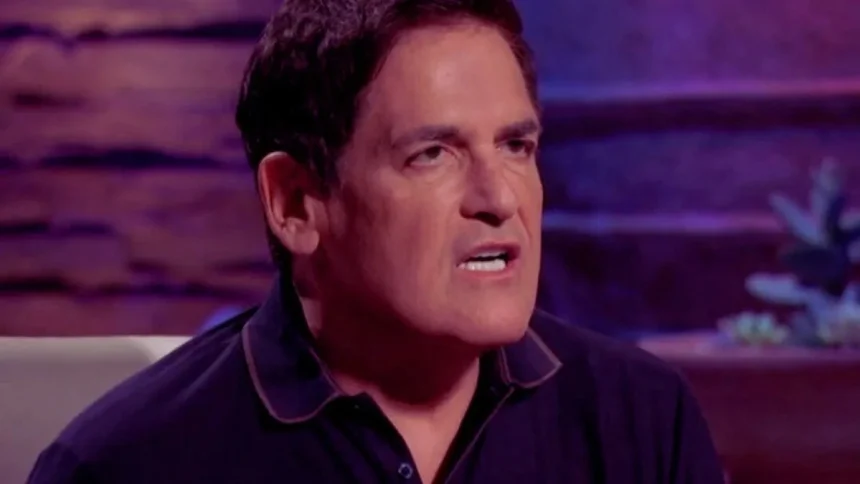
While Amazon has become a game-changer, Shark Tank investor Mark Cuban has made it clear that he avoids investing in companies that rely too heavily on the platform.
In his latest post on X (formerly Twitter), Mark described Amazon’s seller fees as ‘insane and unsustainable.’ The Shark investor even cautioned companies that they would face huge risks if they depended excessively on the platform. He also described the reason why he does not invest in ‘Amazon-dependent’ companies.
Mark Cuban posted, “When I look at investing in companies, if you have any level of dependency on Amazon, it’s a negative.”
When I look at investing in companies, if you have any level of dependency on Amazon, its a negative. I would love to have people post what percent of sales in fees from Amazon and Walmart they are experiencing
The numbers I have seen are INSANE AND UNSUSTAINABLE.
That’s… https://t.co/i0psZcK2Le
— Mark Cuban (@mcuban) January 3, 2025
While Amazon offers businesses unmatched access to customers, it also struggles with counterfeit products. Despite setting up a Counterfeit Crimes Unit, the e-commerce giant continues to face criticism for failing to fully protect legitimate brands from knockoffs.
The Rising Cases of Counterfeits on Amazon
Over the years, the e-commerce platform has enabled third-party sellers to make record revenues. At the same time, as per a CNBC report, Amazon has also opened its gates to counterfeits. Although the company has set up the Counterfeit Crimes Unit, the problem still exists.
This is because Amazon is a large platform and its reach is spread throughout the world.
Mark Cuban’s Suggestions To Save American Companies
Realizing the mounting issue of counterfeiting, Shark Tank’s Mark Cuban proposed some changes that could save American companies from knockoffs (especially the ones from China).
Firstly, Cuban suggested that U.S. importers should be required to post a $25,000 bond before selling products on Amazon. He believed that charging the amount could help increase their financial accountability with regard to intellectual property infringement.
Secondly, Mark Cuban thought that products on Amazon should be evaluated prior to marketing via registration on government websites. This would help to check their authenticity. Plus, Mark suggested that retailers who were found selling counterfeit products should be charged with hefty fines.
The reason why the Shark investor proposed these changes was because implementing them would mean importers would have to pay fees. As per Mark, knockoff goods that are of low value would then be discouraged from entering the e-commerce platform.
He stressed that “these adjustments are how you get China to pay. And how you at least start to protect American companies from being knocked off.”
Mark’s Views On Amazon’s ‘Insane’ Fees
Discussing why he does not choose to invest in ‘Amazon-dependent companies,’ Mark Cuban pointed out the heavy charges for sellers. The Shark agreed that the platform does offer access to a large consumer base, but noted how their profit margins fade because of these high fees.
Based on these concerns, Mark urged companies to share the amount of fees that they pay out of their revenues to Amazon. This is because the Shark investor felt that doing so would increase transparency.