For years, startup culture has promoted the idea that success requires sacrificing sleep, personal time, and work-life balance.
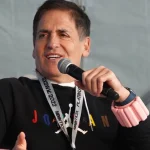
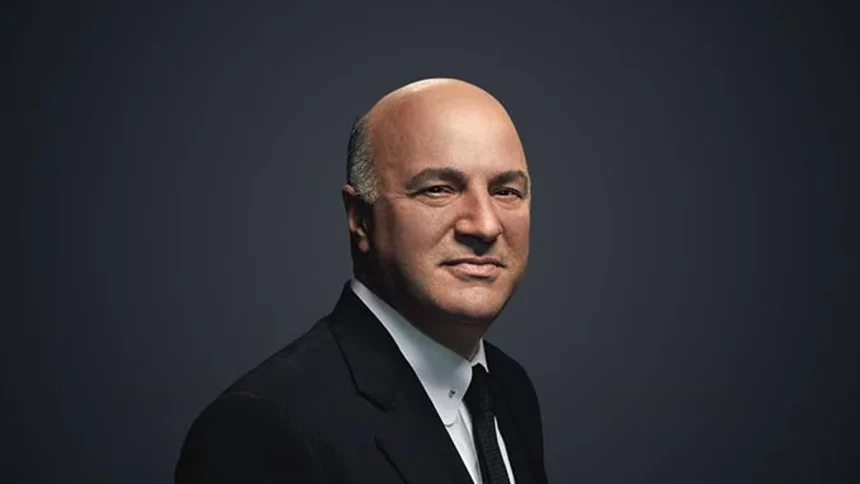
Many founders see constant work as a badge of honor. Kevin O’Leary, who is an investor on Shark Tank and also an entrepreneur, thinks that this way of thinking is actually bad for people.
He believes sacrificing your health for work is not the path to long-term success.
In a recent Instagram video, O’Leary said: “The worst advice I hear young founders talk about all the time is that they want to work 18 hours a day. How stupid is that?” His comments challenge one of the most deeply rooted beliefs in the startup world, that more hours automatically lead to better results.
The Hustle Culture Myth
Work-life balance has become a growing topic of discussion. This idea that founders have to be working hard has gotten even stronger in the last few years. Some startups even encourage employees to work more than 70 hours a week. Hustle culture continues to influence many startups today.
For young business owners, years of motivational advice have convinced many founders that staying up all night and working nonstop is the way to succeed. Research is starting to show that this approach doesn’t actually work.
Sleep Deprivation Affects Decision-Making
A study in the Journal of Business Venturing found that not getting enough sleep makes it hard for business owners to make good choices.
Researchers surveyed more than 700 entrepreneurs and conducted controlled experiments, finding that sleep-deprived business owners struggled to distinguish good business ideas from bad ones.
Lead researcher Jeff Gish from the University of Central Florida noted that entrepreneurs who often give up sleep to be successful might actually be hurting their chances of success.
These findings are especially relevant for founders. Building a company is about making good choices. Not having enough sleep can affect the judgment needed to succeed.
Why Investors See Burnout as a Red Flag
O’Leary’s warning goes beyond personal health. He argues that exhausted founders can become liabilities rather than assets.
“If you show up looking half-dead, I’m not investing. You’re not a hero, you’re a liability,” he wrote in the caption of his Instagram post.
Investors recognize that healthy founders are better equipped to lead teams and make sound decisions. It is critical to a company’s long-term success.
The Health Costs of Constant Stress
The risks extend beyond business performance. Young people dealing with constant work pressure may be at greater risk of mental and physical health problems.
Harvard Health notes that chronic stress can contribute to anxiety, depression, and other health concerns. Chronic stress can also weaken the immune system and increase the risk of heart disease.
That is why sleep, exercise, and eating well are really important to O’Leary. He thinks these things are necessary for doing your best, not just nice to have.
Focus on Opportunity, Not Exhaustion
O’Leary has also been vocal about where young entrepreneurs should focus their energy today. He believes artificial intelligence presents one of the biggest opportunities for the next generation of founders. Particularly in helping small businesses adopt AI tools and build supporting infrastructure.
He believes many businesses will want to adopt AI but won’t know how to implement it, creating demand for practical AI solutions.
To take advantage of those opportunities, you need to keep your focus and be creative. It is hard to do this when you are very tired.
Working Smart Is the New Competitive Edge
What O’Leary said shows that business leaders are beginning to think differently. More and more executives are realizing that taking time to recover is part of performing at a high level.
Leaders including Seth Berkowitz, CEO of Insomnia Cookies, and Sami Inkinen, CEO of Virta Health, intentionally prioritize rest to maintain long-term performance.
For Gen Z founders trying to succeed in a highly competitive world, the message being delivered by O’Leary is simple: working hard still matters, but burnout is not a sustainable strategy.
Being successful is not about how tired you are. In the long run, the founders most worth investing in are those who know how to build sustainable businesses and sustain high performance without burning out or sacrificing their health.