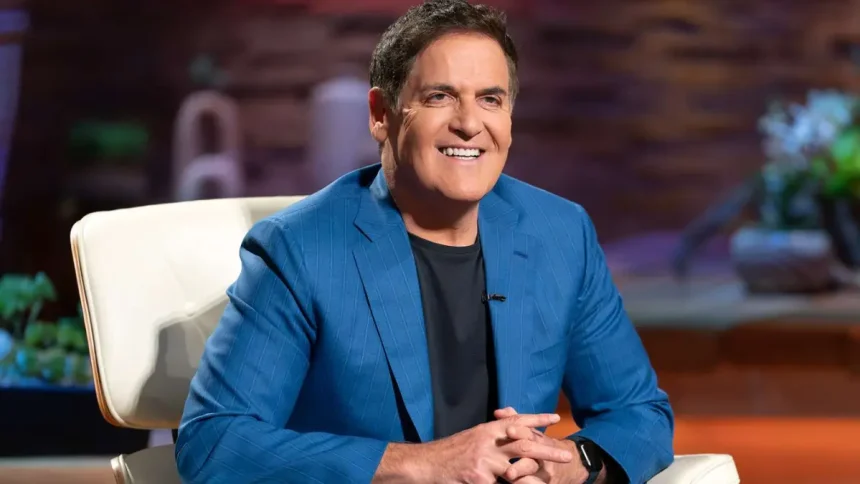
Season 17 of Shark Tank proved that the show can still succeed even without one of its most famous investors, Mark Cuban. While Cuban was not a regular presence this season, it should be noted that he has appeared selectively in past seasons as well, so this was not necessarily a complete absence across every episode.
This created a big question mark for fans. However, the season delivered solid results with a 75% deal rate and $14.7 million invested, based on reported episode totals and ABC data. It showed that the format still works, even with major changes.
This season had 18 episodes and featured 72 companies pitching their ideas in the tank. Out of these, 54 businesses secured deals, making this the most successful season in terms of deal percentage. The high success rate reflects how prepared and market-ready many entrepreneurs were this time.
Shark Tank Season 17 at a Glance
Shark Tank Season 17 stood out for its impressive numbers and overall performance. Compared to earlier seasons, the deal-making side remained strong and more consistent. The sharks were more willing to invest, especially in businesses that showed strong sales and clear growth potential.
Here’s the data formatted:
| Metric | Value |
|---|---|
| Companies Pitched | 72 |
| Deals Made | 54 |
| Deal Success Rate | 75% |
| Total Investment | $14.7 million |
| Guest Sharks Participated | 9 |
When Shark Tank first started in 2009, the deal rate was around 42%. Season 17 nearly doubled that figure, showing how much the show has evolved. Entrepreneurs now come better prepared with proven products and real revenues.
Life Without Mark Cuban
One of the biggest talking points this season was the reduced presence of Mark Cuban. He has been one of the most active investors in the show’s history, completing over 260 deals. His limited involvement created uncertainty about whether the show would lose its edge.
Viewership trends showed slight fluctuations, but overall engagement remained stable, and the deal-making side remained strong. The Sharks still made smart investments, and the energy in the Tank stayed high. The focus shifted toward consumer products, lifestyle brands, and food businesses.
Without Cuban, fewer big solo tech deals were seen. Instead, the season featured more collaborative deals and practical businesses. This shift actually helped diversify the types of companies getting funded.
The Shark Who Led the Season
With Cuban less involved, other sharks stepped up in a big way. The standout performer of the season was Lori Greiner. She made 15 deals and invested over $2.3 million, making her the most active Shark this season.
Kevin O’Leary followed closely with 11 deals and the highest total investment of $2.85 million. He continued to use his signature royalty deal strategy, which allows him to earn returns even if the business takes time to grow.
Barbara Corcoran also had a strong season with 9 deals and over $2.3 million invested. She often took higher equity stakes, showing her confidence in the businesses she chose.
Other regular Sharks like Robert Herjavec and Daymond John were more selective but still played important roles. Overall, the panel worked well together despite the major changes.
The Rise of Guest Sharks
Season 17 heavily relied on guest Sharks, and it turned out to be a successful strategy. A total of nine guest investors appeared throughout the season, bringing fresh perspectives and new investment styles.
Among them, Kendra Scott stood out the most. She made five deals and invested nearly $1 million. Her investments focused on consumer brands and lifestyle businesses.
Alexis Ohanian made fewer deals but wrote one of the biggest checks of the season. His investment in a travel tech company showed confidence in innovation-driven ideas.
Other guest Sharks, like Daniel Lubetzky and Michael Strahan, also contributed actively. The rotating lineup kept the show dynamic and unpredictable.
The Biggest Deals of the Season
Season 17 featured several large and exciting deals. One of the biggest reported investments went to HiberTec Homes, which secured $1 million from Barbara Corcoran.
Another standout was a fitness product referred to as 9 Strap, which sparked a bidding war among four Sharks. This led to an $800,000 deal involving multiple investors, making it one of the most dramatic moments of the season.
Which Industries Performed Best?
Different industries performed at different levels during Season 17. Some categories had perfect success rates, while others struggled to impress the Sharks.
Technology and media businesses performed the best, with a 100% deal success rate. Every company in these categories secured funding, showing strong demand for innovation.
Fashion and beauty brands also did well, with an 88% success rate. These businesses often had strong branding and customer appeal.
Food and beverages had the highest number of pitches but a lower success rate of 70%. The Sharks were more selective in this crowded category and only invested in standout products.
Kevin O’Leary’s Royalty Strategy
One interesting trend this season was the continued use of royalty deals by Kevin O’Leary. He structured four of his deals with royalty terms, more than any one shark.
This type of deal allows him to earn money from sales before seeing long-term equity returns. It reduces risk and ensures a steady income, even if the company takes time to grow.
The 18 Companies That Didn’t Get Deals
Even with a high 75% deal rate, 18 companies left the Tank without investments. These businesses faced challenges such as high valuations, unclear business models, or a lack of traction.
However, not getting a deal does not mean failure. Many past companies have succeeded after leaving the show without investment.
What Changed Without Cuban
Mark Cuban’s reduced involvement changed the dynamics of the show in subtle ways. He was known for aggressive building and large investments, especially in tech companies.
Without him, the deals became more balanced and less competitive. There were fewer intense bidding wars but more thoughtful and structured investments.
A New Direction for Shark Tank
Season 17 showed that Shark Tank is evolving. The use of guest Sharks added variety and allowed new voices to participate in investment decisions.
The rotating panel format kept the show fresh and interesting and may continue in future seasons.
Looking Ahead to Season 18
With Season 17 ending on a high note, expectations for the next season are strong. Casting for Season 18 has already started, and fans are eager to see what changes will come next.
Season 17 demonstrated that Shark Tank can remain successful even with changes to its core investor lineup. With a robust deal rate, strong investment activity, and a dynamic mix of guest sharks, the season delivered across key metrics.
Investors like Lori Greiner, Kevin O’Leary, and Barbara Corcoran stepped up and maintained momentum.
Rather than repeating that the show works with less presence of Cuban, Season 17 ultimately highlights how the format continues to evolve and adapt successfully.