


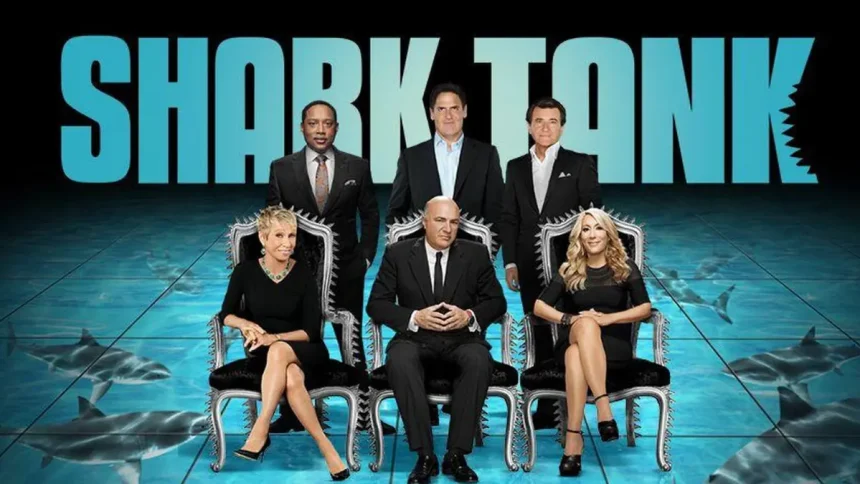
Shark Tank has been one of the most popular business reality shows for over a decade. Entrepreneurs step into the Tank hoping to secure funding from top investors, but not everyone walks away with a deal. Beyond the entertainment, the show offers powerful Shark Tank business lessons and money management insights.
Some leave with life-changing investments, while others face tough criticism that exposes flaws in their business. By observing both wins and failures, entrepreneurs can learn what works, what doesn’t, and how to build a stronger, more sustainable business.
Why Shark Tank is a Goldmine for Money Lessons
Every pitch on the show is more than just a presentation. It’s a real-world business test. Investors like Kevin O’Leary, Barbara Corcoran, and Mark Cuban evaluate companies based on numbers, strategy, and execution.
This means every decision, question, and rejection reveals something important about money management, risk, and growth. If you’re wondering what entrepreneurs can learn from Shark Tank, the lessons are both practical and timeless. Let’s break down the most important takeaways.
1. Strong Leadership Drives Better Returns
Strong leadership is one of the biggest factors that determines whether a business succeeds or fails. On the show, the Sharks don’t just invest in ideas. They invest in people who can execute those ideas effectively and responsibly.
Great leaders understand their numbers, make thoughtful decisions, and build teams that support long-term growth. This is why leadership quality often has a direct impact on financial performance and return on investment.
Women Entrepreneurs Often Deliver Higher ROI
Kevin O’Leary has often mentioned that some of his most successful investments have come from women-led businesses. While this is anecdotal, it highlights how leadership style can play a significant role in profitability.
Good decision-making, discipline, and consistency often matter more than bold or risky moves.
Be a Better Listener
Successful entrepreneurs listen to customers, employees, and investors. Listening helps identify problems early and improve products or services.
In the tank, founders who adapt based on feedback often perform better than those who stick rigidly to their ideas.
Beyond leadership, financial discipline plays an equally important role in building a successful business.
2. Set Realistic Financial Goals
Many entrepreneurs fail because they overestimate their growth potential. On the show, unrealistic projections are quickly challenged by the investors.
Setting achievable goals increases your chances of hitting targets and building steady growth. Businesses that grow sustainably are more attractive to investors than those chasing unrealistic numbers.
For example, companies like Scrub Daddy succeeded not just because of a great product, but because of strong execution and realistic scaling strategies.
3. Multi-Tasking and Efficiency Matter
Running a business requires juggling multiple responsibilities from operations to marketing and finance. Founders on the show are often questioned about operations, marketing, and finances simultaneously, testing their ability to manage multiple aspects efficiently.
Entrepreneurs who manage time effectively tend to build stronger companies. Efficient leaders also respect their team’s time, which leads to better productivity and lower employee turnover, directly impacting profitability.
4. Don’t Be Fooled by Smooth Talk
In Shark Tank, strong communication is important; the sharks quickly look beyond the surface to evaluate the actual strength of the business.
A great pitch might grab attention, but it’s the fundamentals like numbers, product quality, and scalability that truly determine success. Investors are more interested in what the business can deliver rather than how well it is presented.
Substance Always Beats Style
One of the biggest mistakes investors make is trusting charisma over actual business strength. A famous early failure on Shark Tank involved a pitch that sounded convincing but lacked real substance.
Barbara Corcoran once admitted investing in a founder who was a great talker but didn’t have a solid business foundation. The result was a failed investment.
This teaches entrepreneurs that numbers, product quality, and execution matter more than presentation skills alone.
5. Always Deliver on Your Promises
Trust is the foundation of any successful business, and on Shark Tank, credibility can make or break a deal. The sharks often question whether entrepreneurs can truly deliver what they claim, because even a great idea fails if execution falls short.
Building a strong reputation requires consistency, honesty, and the ability to meet expectations. When businesses focus on delivering real value instead of making big claims, they create long-term customer trust and financial stability.
The Cost of Overpromising
A major money lesson from the show is the importance of credibility. Some businesses have raised significant investments but failed because they couldn’t deliver what they promised.
When customers lose trust, it becomes extremely difficult to recover. This can lead to financial losses, reputational damage, and in some cases, business closure.
Entrepreneurs should ensure their product works as promised before scaling or accepting large investments.
6. Accept Constructive Criticism
Criticism on Shark Tank can be harsh, but it’s often valuable. Investors point out weaknesses that founders may not see in themselves.
Instead of taking feedback personally, successful entrepreneurs use it to improve. Making the right changes early can save time, money, and effort in the long run.
Many founders say the toughest part isn’t the pitch, but scaling the business after the show while fixing these weaknesses.
7. Understand That Not Every Deal Is Worth It
Getting a deal on Shark Tank is exciting, but not all deals are good deals. Some offers come with high equity losses or tough conditions, such as royalties.
Entrepreneurs must evaluate whether the investment truly benefits their long-term vision. Sometimes, walking away is the smarter financial decision.
8. Money Isn’t Everything
While many entrepreneurs enter Shark Tank with the goal of making big money, the sharks often remind them that financial success isn’t the only measure of a good business. A venture that looks profitable on paper may not always lead to personal satisfaction or long-term fulfillment.
Building a business also means committing your time, energy, and lifestyle to it. That’s why it’s important to choose a path that aligns with your interests and values, not just one that promises high returns.
Build a Business That Makes You Happy
One of the most underrated money lessons from Shark Tank is that success isn’t about money. Many entrepreneurs realize that running a stressful or unfulfilling business isn’t worth it.
Investors often remind founders that happiness and financial success don’t always go hand in hand. A smaller, enjoyable business can sometimes be more rewarding than a high-pressure, high-revenue one.
Shark Tank offers more than just dramatic pitches and big deals; it provides real-world financial lessons for entrepreneurs at every stage. From setting realistic goals to delivering on promises, the show highlights what it truly takes to succeed in business.
By learning from both the successes and failures on the show, entrepreneurs can avoid costly mistakes and build smarter, stronger companies. In the end, the biggest takeaway is simple: good business decisions come from clarity, discipline, and a willingness to learn.


















Good read. I learned something new today.
I very delighted to find this internet site on bing, just what I was searching for as well saved to fav
Excellent explanation, thanks!
You’re so awesome! I don’t believe I have read a single thing like that before. So great to find someone with some original thoughts on this topic. Really.. thank you for starting this up. This website is something that is needed on the internet, someone with a little originality!