Shark Tank investments have created some of the biggest success stories in reality television. While every Shark entered the show with significant wealth, the businesses they backed on Shark Tank have generated millions in profits, equity gains, and high-profile exits.
The question is simple: which Shark made the most money from Shark Tank investments?
The answer is surprisingly difficult to pin down. Unlike public stock portfolios, many Shark Tank investments remain private. Some deals close after filming, some are renegotiated, and others never happen at all. Even so, a combination of public interviews, deal trackers, and portfolio estimates paints a fairly clear picture.
Over nearly two decades of Shark Tank, one investor stands above the rest.
Looking Beyond Net Worth
When people discuss the richest shark, they often point to net worth. By that measure, investors like Mark Cuban have long dominated the conversation. But net worth tells only part of the story.
The more interesting question is how much wealth each Shark generated specifically through Shark Tank investments.
On-air deal values are public, but what happens afterward is often hidden behind private contracts, funding rounds, acquisitions, and confidential exits. Analysts therefore rely on estimated portfolio values, reported cash returns, and known ownership stakes to calculate overall gains.
The formula is relatively straightforward: Estimated money made = cash exits + current stake value – invested capital.
While imperfect, the calculation provides the clearest available snapshot of which Sharks transformed television deals into real fortunes.
The Leaderboard of Shark Tank Success
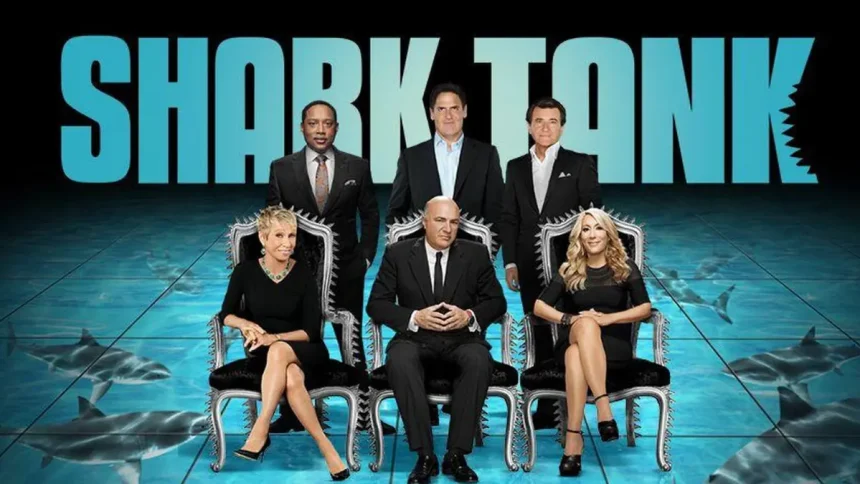
Over the years, several Sharks have built impressive portfolios through the show.
| Shark | Estimated Invested Capital | Estimated Portfolio Value | Notable Investments |
|---|---|---|---|
| Mark Cuban | Roughly $33 million–$57.8 million | Roughly $146 million–$250 million | Dude Wipes, BeatBox Beverages, Ten Thirty One Productions, Simple Sugars, Rugged Maniac |
| Lori Greiner | $39.4 million | $157.8 million | Scrub Daddy, Squatty Potty, Simply Fit Board, Bantam Bagels |
| Barbara Corcoran | $17.3 million | $62.3 million | Cousins Maine Lobster, Grace and Lace, The Comfy |
| Daymond John | $15.7 million | $56.9 million | Bombas, Bubba’s-Q Boneless Ribs, Shefit |
| Kevin O’Leary | $28.6 million | $51.4 million | Wicked Good Cupcakes, Lovepop, Basepaws, Plated |
| Robert Herjavec | $19.8 million | $42.9 million | Tipsy Elves, Lumio, Sand Cloud |
The numbers are impressive across the board. Yet one shark has consistently maintained a significant lead.
Mark Cuban and the Scale of His Ambition
Mark Cuban joined Shark Tank as a guest investor during Season 2. What began as an occasional appearance quickly evolved into one of the defining partnerships in reality television.
Cuban approached the show differently from many of his fellow Sharks. While others often focused on select opportunities, he embraced volume. Over his tenure, he completed approximately 174 deals, making him the most active investor in the show’s history.
His investment philosophy was rarely about finding a single home run. Instead, he built a broad portfolio across consumer products, entertainment, technology, fitness, and food.
That strategy created an ecosystem of bets rather than isolated investments.
Dude Wipes became a household name. BeatBox Beverages expanded rapidly in the ready-to-drink alcohol category. Ten Thirty One Productions transformed haunted attractions into a major entertainment business. Numerous smaller investments also quietly grew into substantial companies.
The result was a portfolio unmatched by any other Shark.
According to estimates, Cuban invested tens of millions into Shark Tank companies and reportedly received around $35 million in cash returns. More importantly, he continued holding significant equity positions that were estimated to be worth roughly $250 million.
Even conservative calculations place his profits well above every other Shark on the panel.
Lori Greiner’s Case for Second Place
If any Shark challenges Cuban’s position, it is Lori Greiner.
Known as the “Queen of QVC,” Greiner built her reputation on spotting products with mass-market appeal. Her greatest Shark Tank success story remains Scrub Daddy, the smiling sponge company that became one of the show’s most iconic investments.
What started as a $200,000 investment for a 20% stake evolved into a business generating hundreds of millions in sales.
But Scrub Daddy was not an isolated victory.
Squatty Potty reshaped a niche category into a mainstream product. Simply Fit Board exploded through television advertising. Bantam Bagels and The Sleep Styler added further wins to her portfolio.
Greiner’s estimated Shark Tank portfolio sits near $158 million, representing extraordinary returns on her invested capital. While she remains the closest competitor to Cuban, current estimates still place her behind him in overall gains.
Different Paths to Profit
What makes Shark Tank fascinating is that each investor pursues success differently.
Barbara Corcoran often invests in people as much as products. Her portfolio includes founder-led businesses such as Cousins Maine Lobster and Grace and Lace. She typically writes smaller checks but has generated impressive returns througnh carefully chosen partnerships.
Daymond John focuses heavily on branding and consumer products. Many of his strongest investments remain private, making their true value difficult to assess. Businesses like Bombas and Shefit demonstrate his ability to identify brands with long-term potential.
Kevin O’Leary takes perhaps the most unconventional approach. Rather than chasing massive equity stakes, he frequently structures deals around royalties and cash flow. Investments such as Basepaws and Lovepop highlight his preference for generating predictable returns rather than waiting years for a major exit.
Robert Herjavec, meanwhile, has quietly built a respectable portfolio through companies like Tipsy Elves and Lumio. His returns appear solid, though less publicly documented than those of Cuban or Greiner.
Why Mark Cuban Ultimately Wins
The argument for Cuban extends beyond simple portfolio value.
He made more deals than any Shark. He deployed more capital than most of his peers. He maintained ownership stakes across a remarkably diverse range of companies. And unlike many investors, he publicly discussed both his cash returns and remaining equity holdings.
His influence on the show also reflected his appetite for risk.
One of the most famous moments in Shark Tank history came when Cuban offered $30 million to the founders of Coffee Meets Bagel, the largest offer ever made on the American version of the show. The founders declined, but the moment symbolized Cuban’s willingness to think bigger than anyone else in the room.
That combination of scale, risk tolerance, and portfolio breadth is what ultimately separates him from the competition.
Who Built the Biggest Shark Tank Investments?
Determining the most successful Shark requires accepting a degree of uncertainty. Private valuations fluctuate, royalty arrangements remain undisclosed, and many exits never become public.
Yet the available evidence points in one direction.
Mark Cuban is estimated to have generated roughly $35 million in cash returns while holding hundreds of millions of dollars in Shark Tank equity. Even conservative estimates place his profits well ahead of every other Shark.
Lori Greiner remains a formidable challenger thanks to blockbuster investments like Scrub Daddy, while Barbara Corcoran, Daymond John, Kevin O’Leary, and Robert Herjavec have all built highly successful portfolios of their own.
But when the focus shifts from television fame to investment performance, one Shark stands alone at the top.
Mark Cuban didn’t just become one of Shark Tank’s most recognizable faces. He became the investor who made the biggest fortune from the tank itself.